
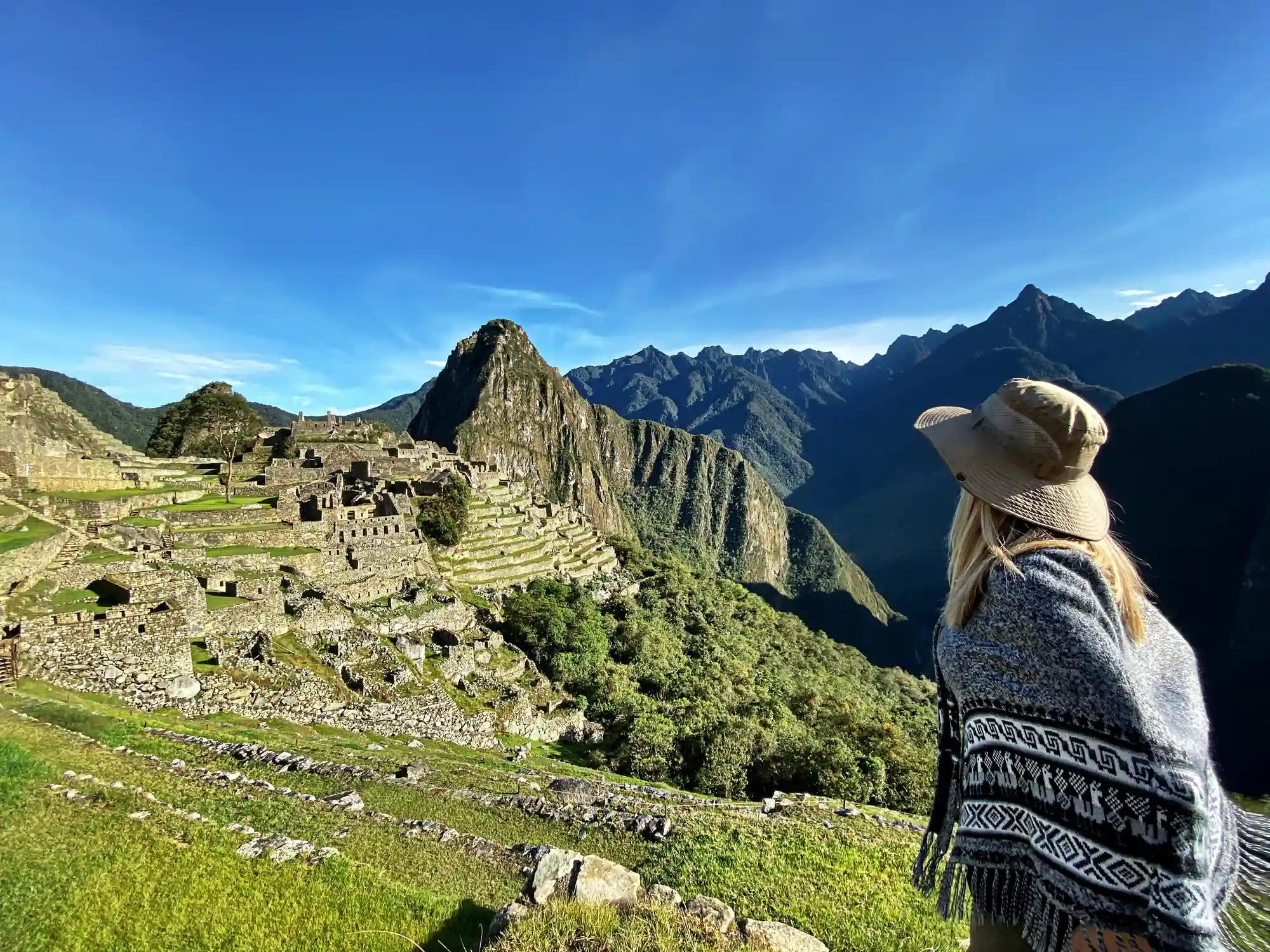
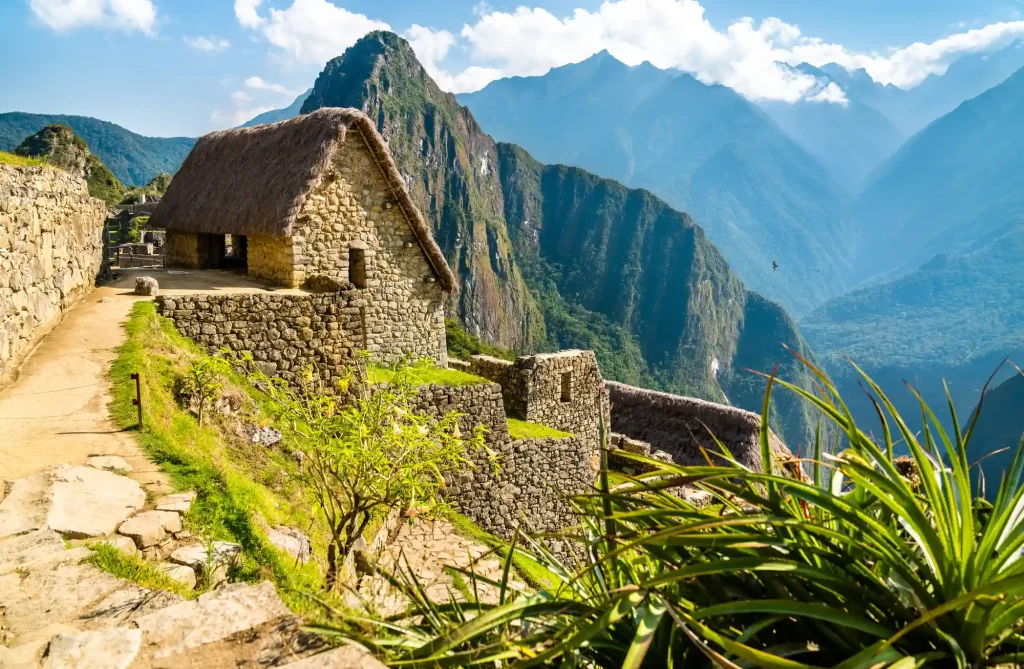
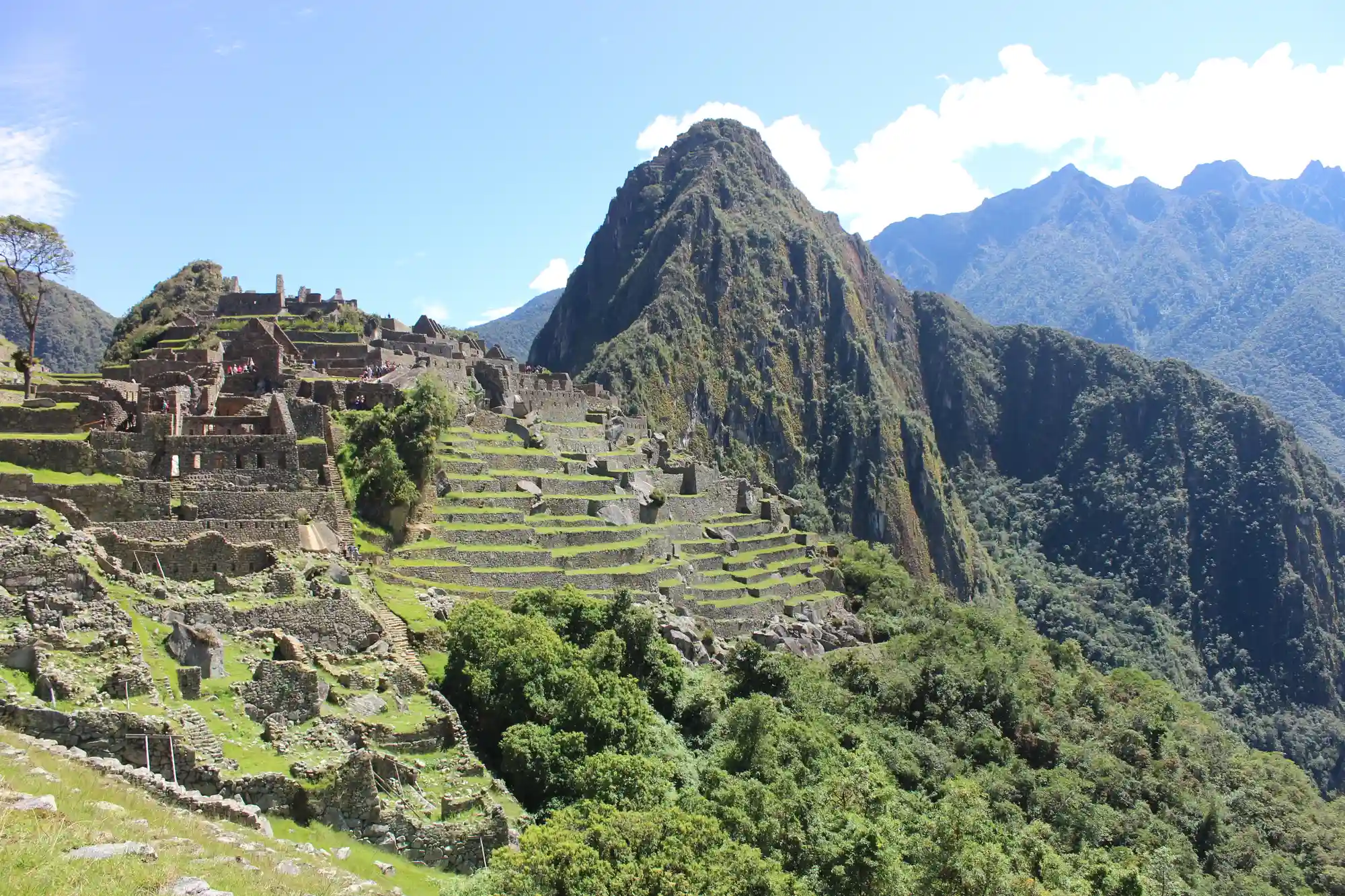
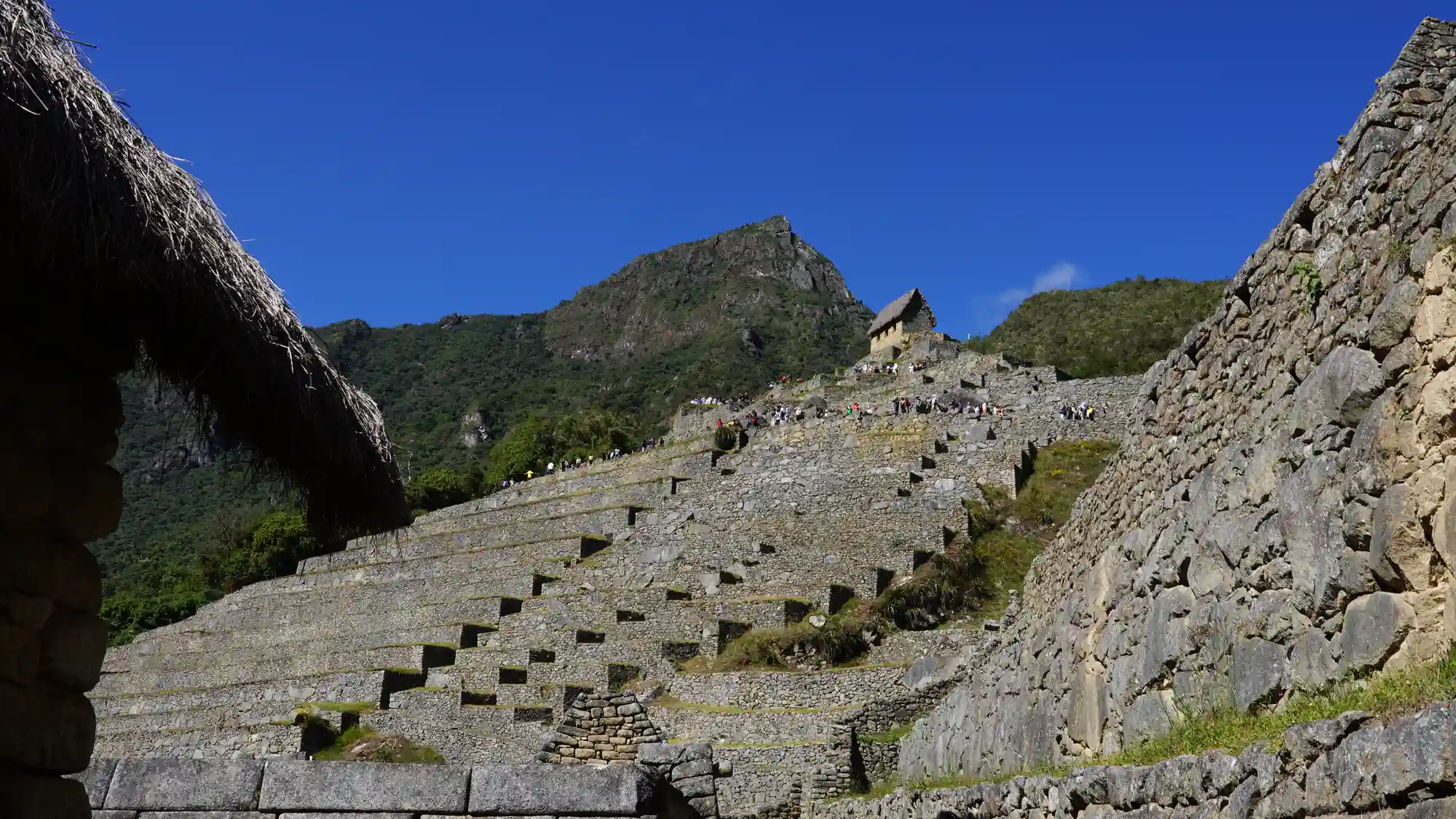
Machu Picchu is more than a famous viewpoint. It is an encounter with Inca architecture, cloud forest landscapes, sacred mountains, and one of the most carefully protected heritage sites in South America. For many travelers, this is the emotional highlight of a Peru itinerary, and the best experience begins long before the entrance gate.
A successful first visit is not only about arriving early or taking the classic photo. It is about choosing the right route, understanding the pace of the day, preparing for mountain weather, and giving yourself enough time to enjoy Cusco and the Sacred Valley before reaching the citadel. With the right planning, Machu Picchu feels less rushed and far more meaningful.
Start with the kind of experience you want
Before choosing dates or transportation, think about the style of trip that fits you best. Some travelers want the most comfortable option, combining a scenic train ride with a guided visit. Others want a more active experience through trekking routes, mountain hikes, or a longer cultural journey through the Sacred Valley. Machu Picchu can be a smooth day trip, a romantic escape, a family-friendly adventure, or the grand finale of a multi-day trek.
If this is your first time in Peru, a guided tour is highly recommended. The site is visually impressive on its own, but its terraces, temples, water channels, urban sectors, and ceremonial areas become much more powerful when a local expert explains how the city worked and why its setting was so important to the Inca world.
Plan your route before buying the entrance
Machu Picchu visits are organized by official circuits and routes. This means travelers no longer wander freely through every sector with one general ticket. Your ticket determines which areas you can access, how the visit flows, and whether you can include a mountain hike or a panoramic viewpoint. That structure protects the archaeological site and helps manage visitor movement.
For a first visit, many travelers prefer a route that includes the classic view of the citadel and enough time to understand the main archaeological areas. If you are interested in Huayna Picchu, Machu Picchu Mountain, Huchuy Picchu, or seasonal routes, plan earlier because spaces can be limited and each route has a different physical demand.
Give yourself time in Cusco and the Sacred Valley
Machu Picchu sits lower than Cusco, but most visitors begin their journey in the high Andes. Spending time in Cusco or the Sacred Valley before visiting helps your body adjust and makes the trip more enjoyable. The Sacred Valley is especially useful because it is lower than Cusco, rich in archaeological sites, and close to the train stations that connect with Aguas Calientes.
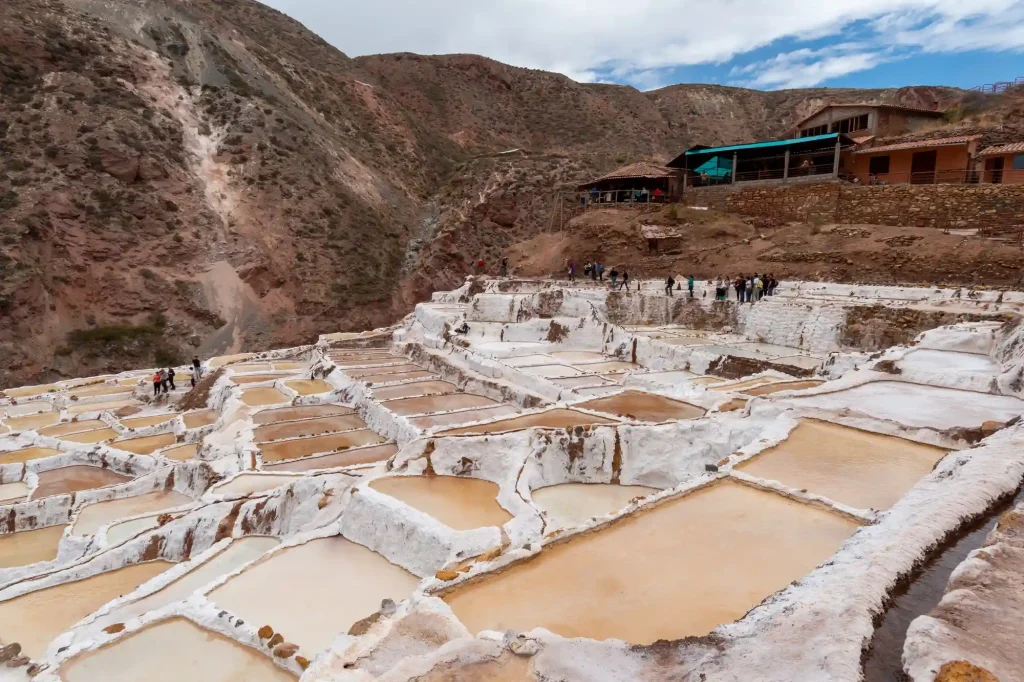
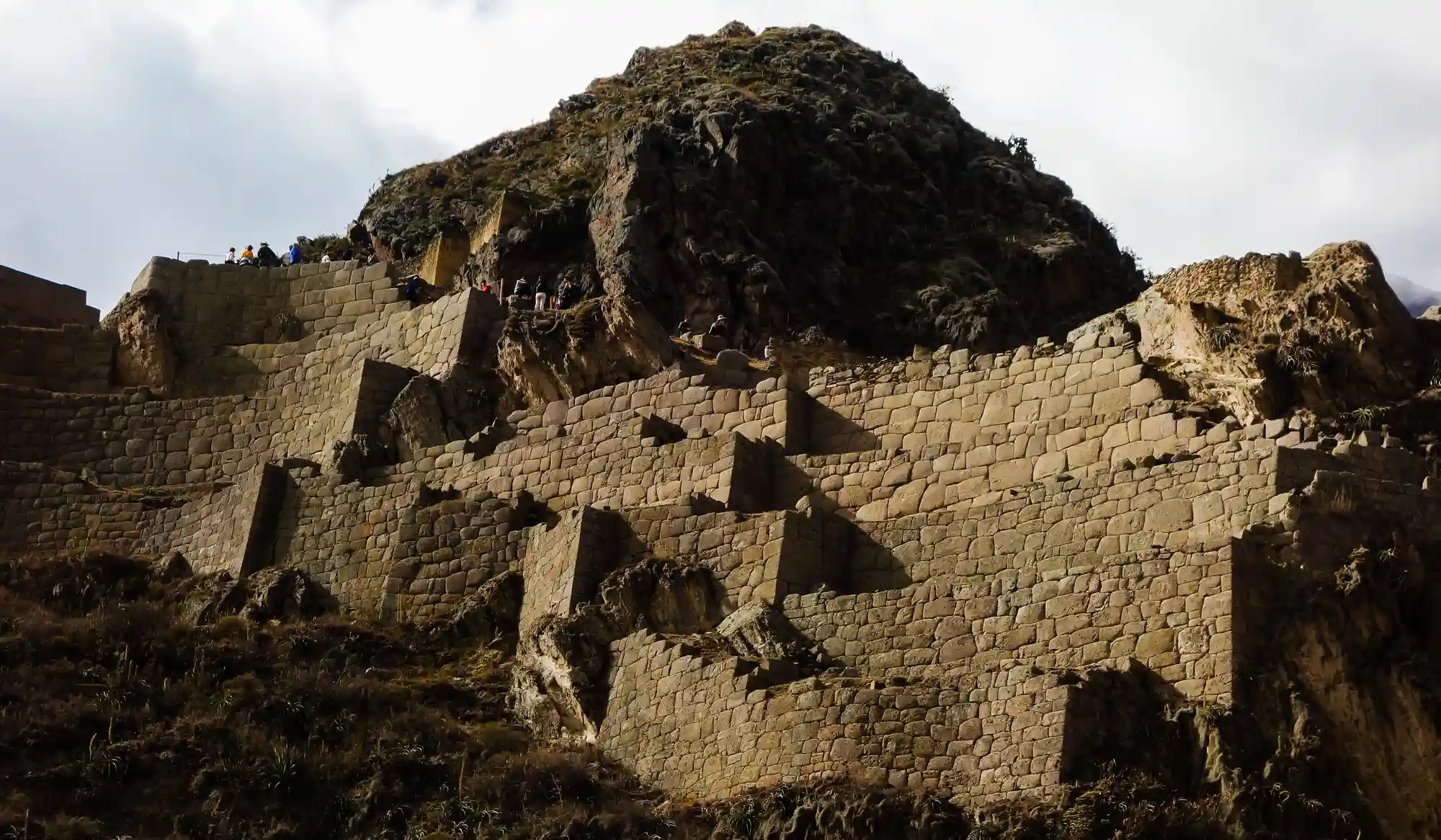
A well-designed itinerary can include Pisac, Ollantaytambo, Maras, Moray, or Chinchero before continuing toward Machu Picchu. This turns the visit into a deeper cultural journey rather than a single isolated excursion.
Work with the weather instead of fighting it
The Andes are beautiful because they are alive and dramatic. Mist, sunlight, rain, and clouds can all appear in the same morning. Dry season months are popular for clearer skies, while the rainy season brings greener landscapes and softer crowds. Neither season is “wrong”; the key is preparing with layers, rain protection, sun protection, and realistic expectations.
Many travelers hope for the perfect postcard view, but Machu Picchu is powerful in many moods. A misty morning can feel mysterious and cinematic. A bright afternoon can reveal the geometry of the terraces. A flexible attitude often leads to a better experience than chasing one exact photo.
Book with preservation in mind
Machu Picchu is a fragile cultural and natural sanctuary. Buying official tickets in advance, entering at the correct time, following the assigned route, respecting signs, and staying with authorized paths are part of responsible travel. These rules are not obstacles; they are the reason the site can continue welcoming future travelers.
When you travel with a local operator, ask for clear guidance about entrance times, train schedules, bus logistics, and route selection. Good planning removes stress and gives you more attention for the stonework, the mountains, the silence, and the sense of arrival.





Leave a Reply