
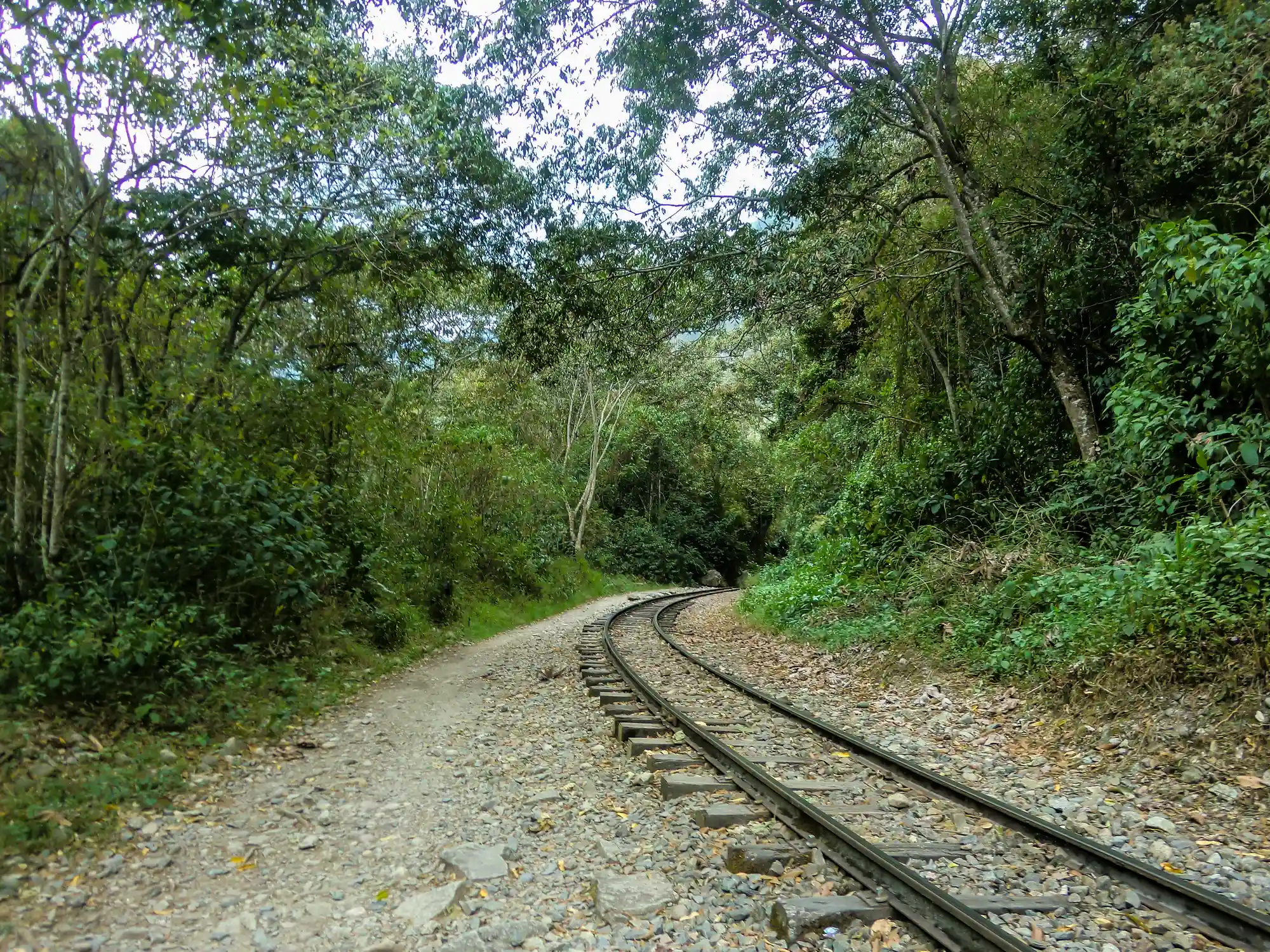
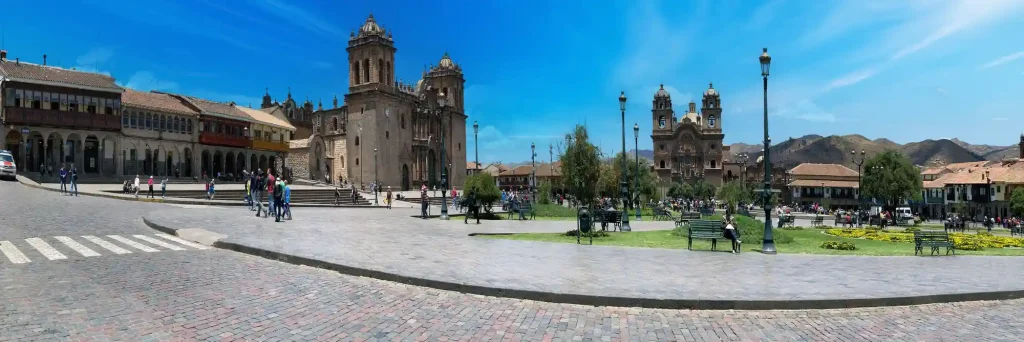
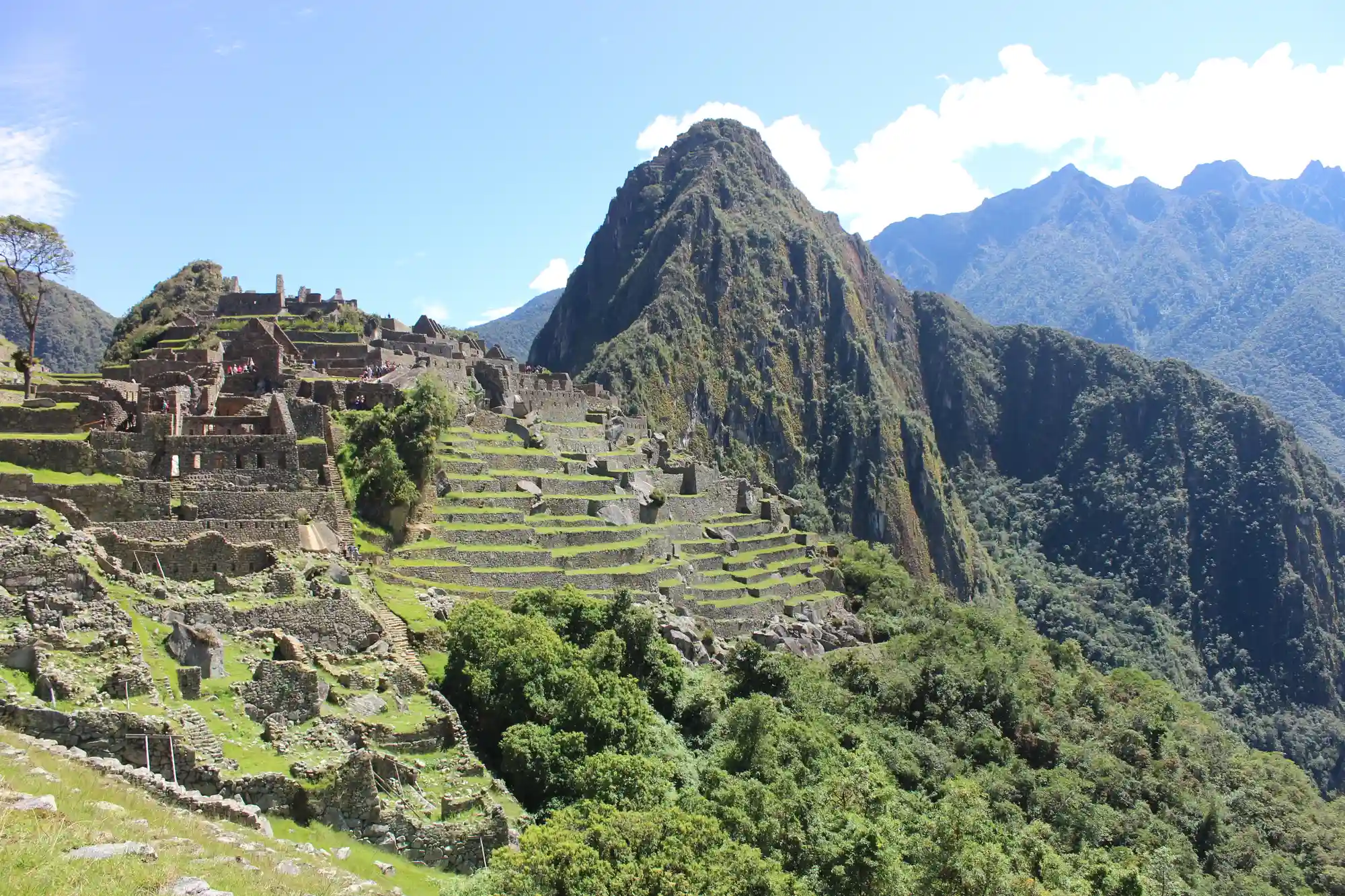
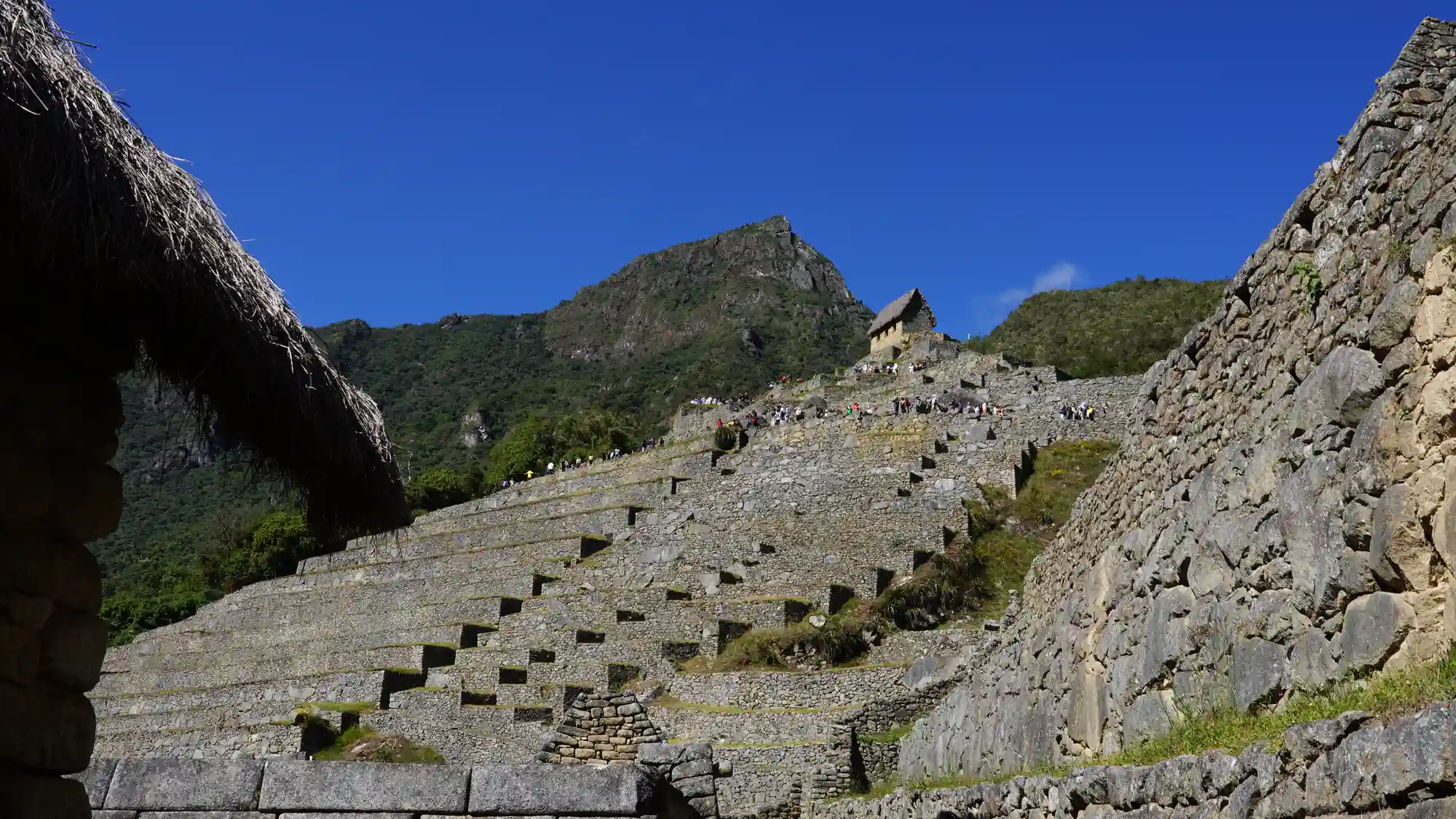
Getting to Machu Picchu is part of the adventure. The journey links Cusco, the Sacred Valley, mountain roads, train tracks, cloud forest, and the town of Aguas Calientes before reaching the archaeological sanctuary. Choosing the right route shapes the pace and personality of your trip.
Most visitors begin in Cusco, but the best path depends on time, budget, comfort level, and whether you want a cultural journey, a scenic train experience, or a trekking route through the Andes.
The classic train route
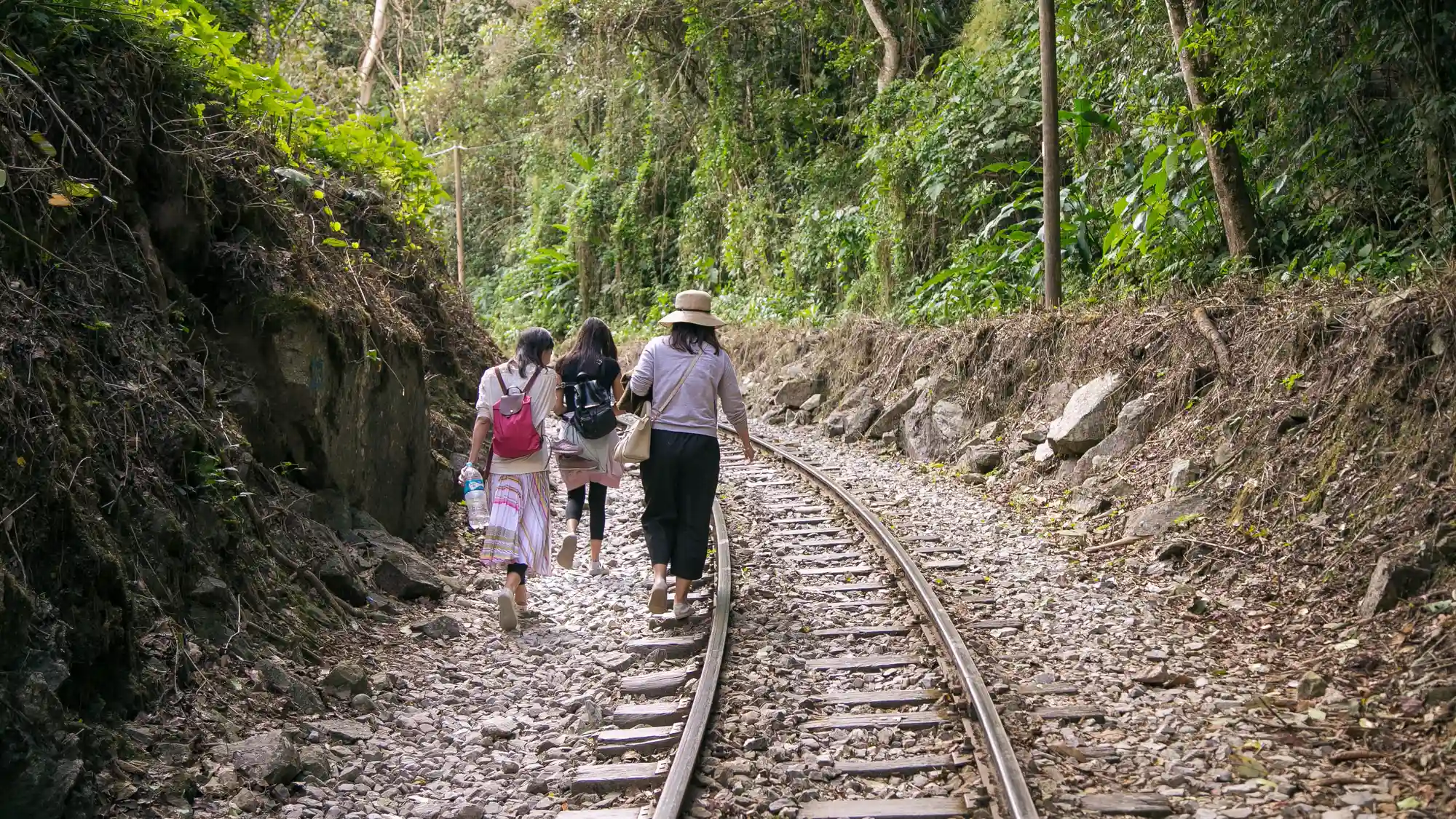
The most comfortable and popular way to reach Machu Picchu is by train. Travelers usually transfer from Cusco or the Sacred Valley to a train station, then follow the Urubamba River toward Aguas Calientes. The route is scenic, with mountains, agricultural fields, river canyons, and cloud forest vegetation appearing through the windows.
For many travelers, the train is not just transportation. It is a memorable part of the experience, especially for couples, families, first-time visitors, and anyone who wants to save energy for the guided visit itself. Different train services offer different levels of comfort, schedule options, and onboard atmosphere.
Why the Sacred Valley makes the journey better
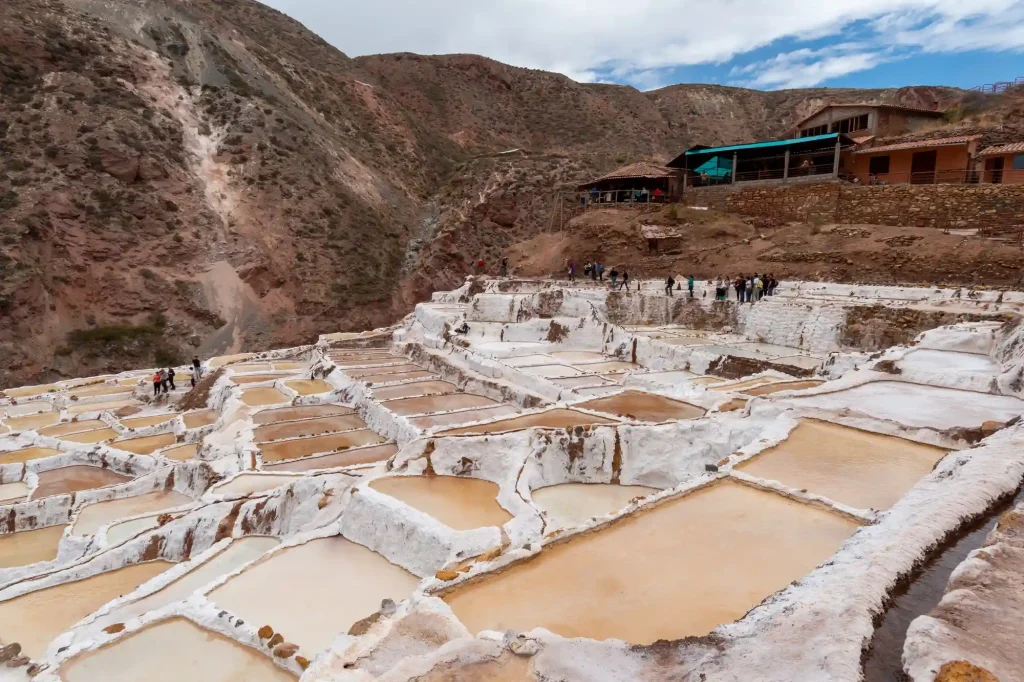
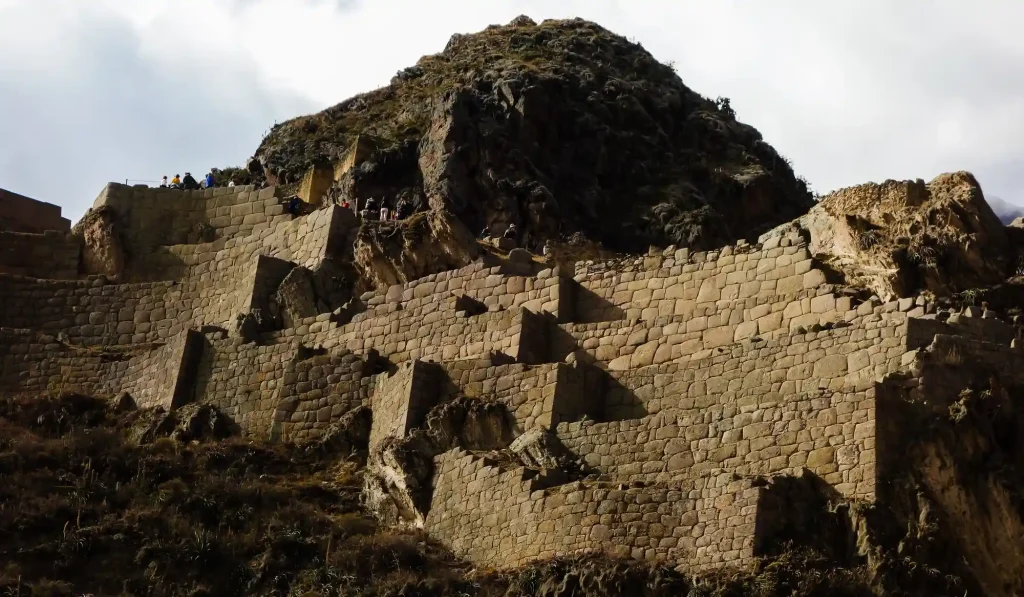
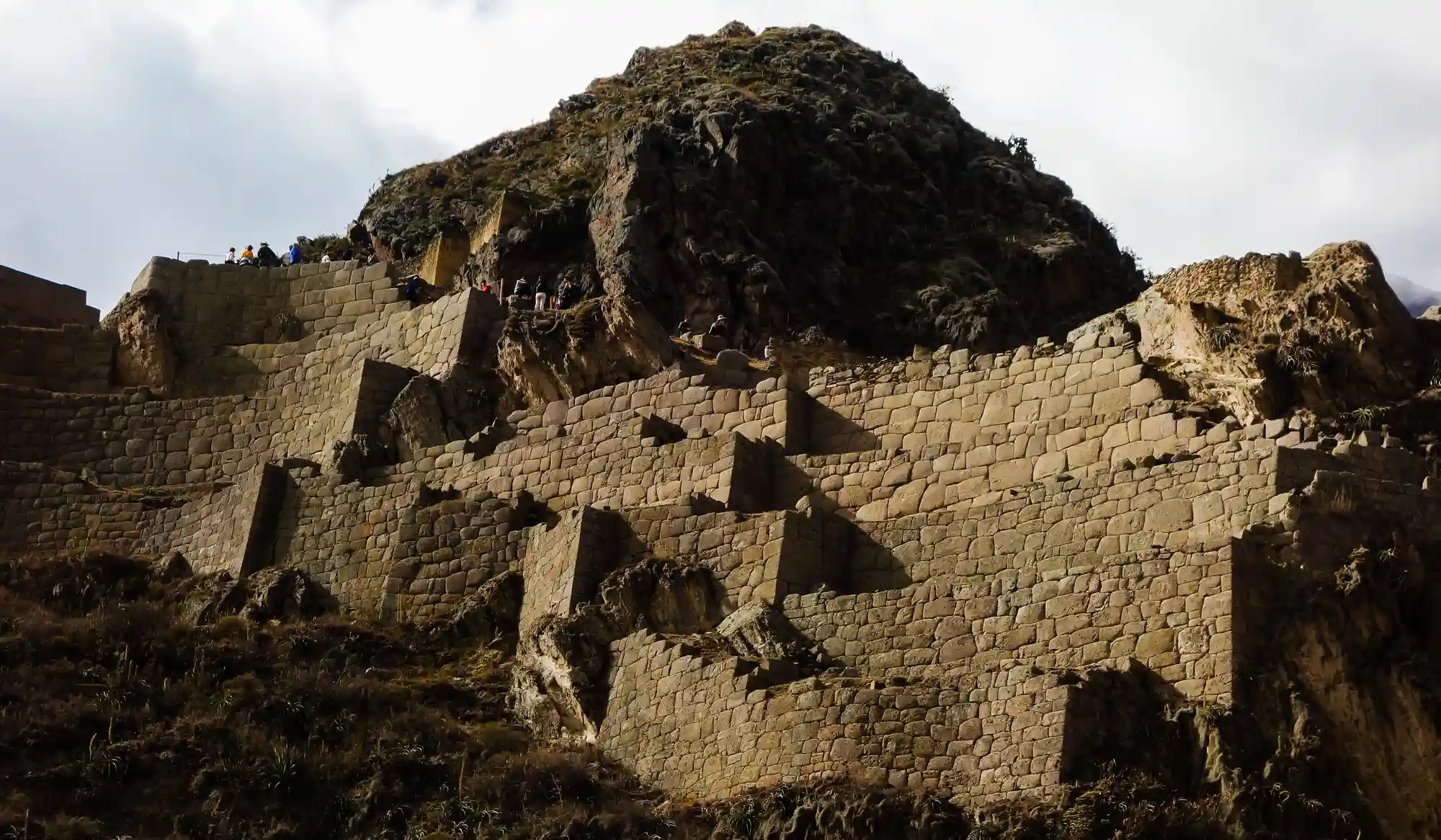
Instead of going directly from Cusco to Machu Picchu, many travelers spend a day or night in the Sacred Valley. This allows them to visit places like Pisac, Ollantaytambo, Moray, Maras, or Chinchero and then continue from a valley station toward Aguas Calientes.
This approach is excellent for acclimatization and cultural depth. The Sacred Valley sits lower than Cusco, has beautiful landscapes, and helps the Machu Picchu visit feel like the natural conclusion of a larger Inca route rather than a standalone excursion.
Staying overnight in Aguas Calientes
Aguas Calientes, also known as Machu Picchu Pueblo, is the gateway town below the sanctuary. Staying overnight there can make the visit smoother because you are already close to the entrance buses the next morning. It also reduces the stress of coordinating very early transfers from Cusco.
The town offers hotels, restaurants, markets, thermal baths, and access to the river valley atmosphere. It is not the main destination, but it plays an important role in creating a relaxed Machu Picchu experience.
Trekking routes to Machu Picchu
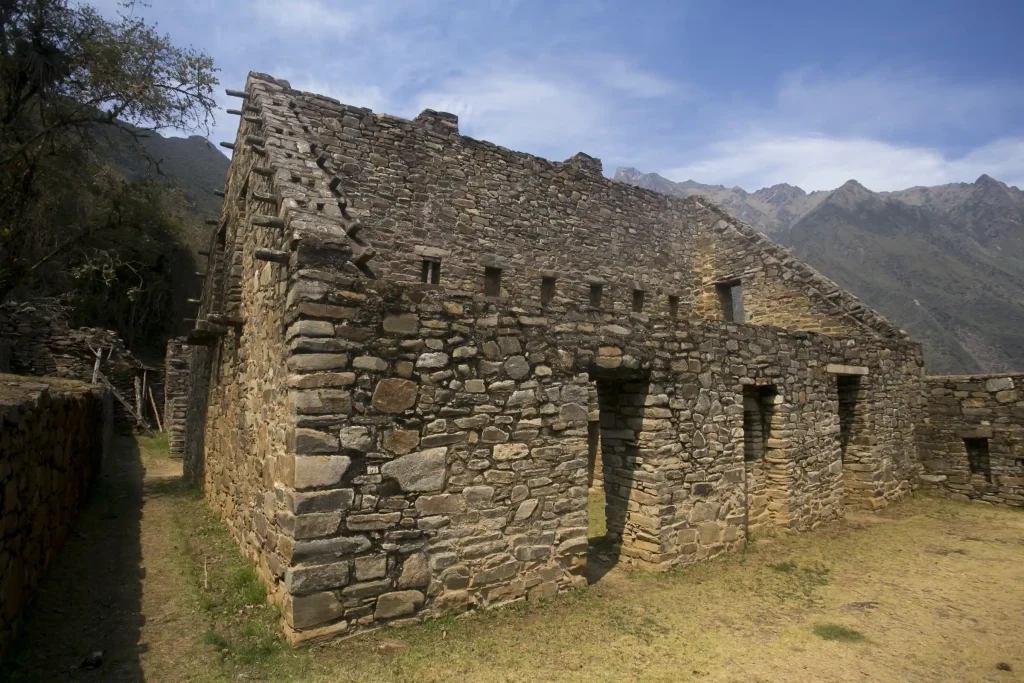
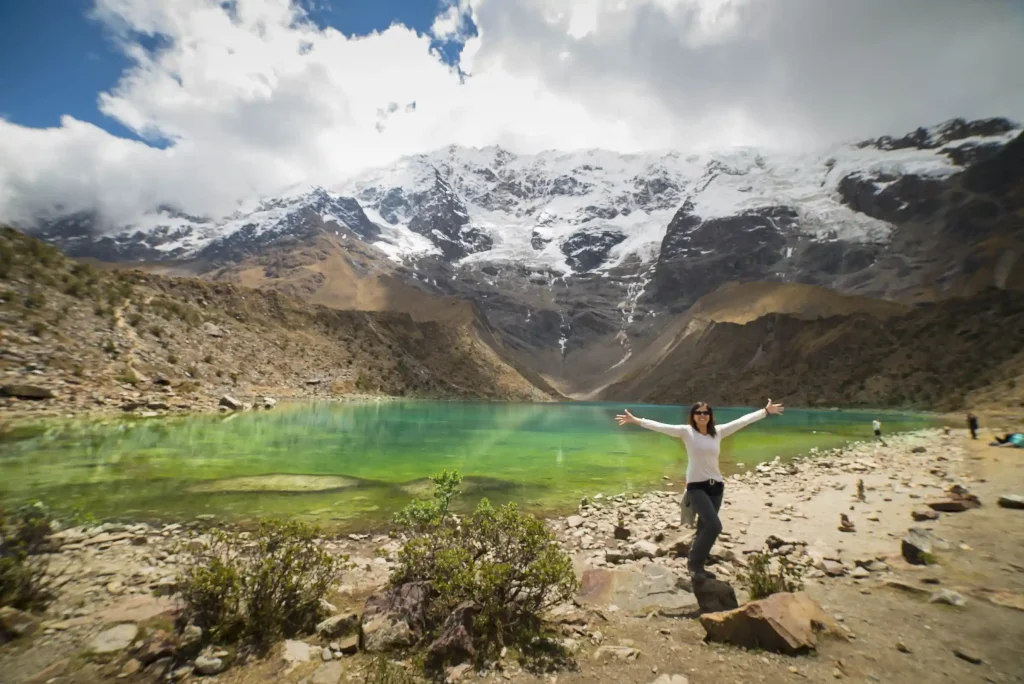
For active travelers, trekking routes create a deeper sense of arrival. The Classic Inca Trail is the most famous, but alternative routes such as Salkantay, Lares, or other regional treks can combine high mountains, local communities, and changing ecosystems before reaching the Machu Picchu area.
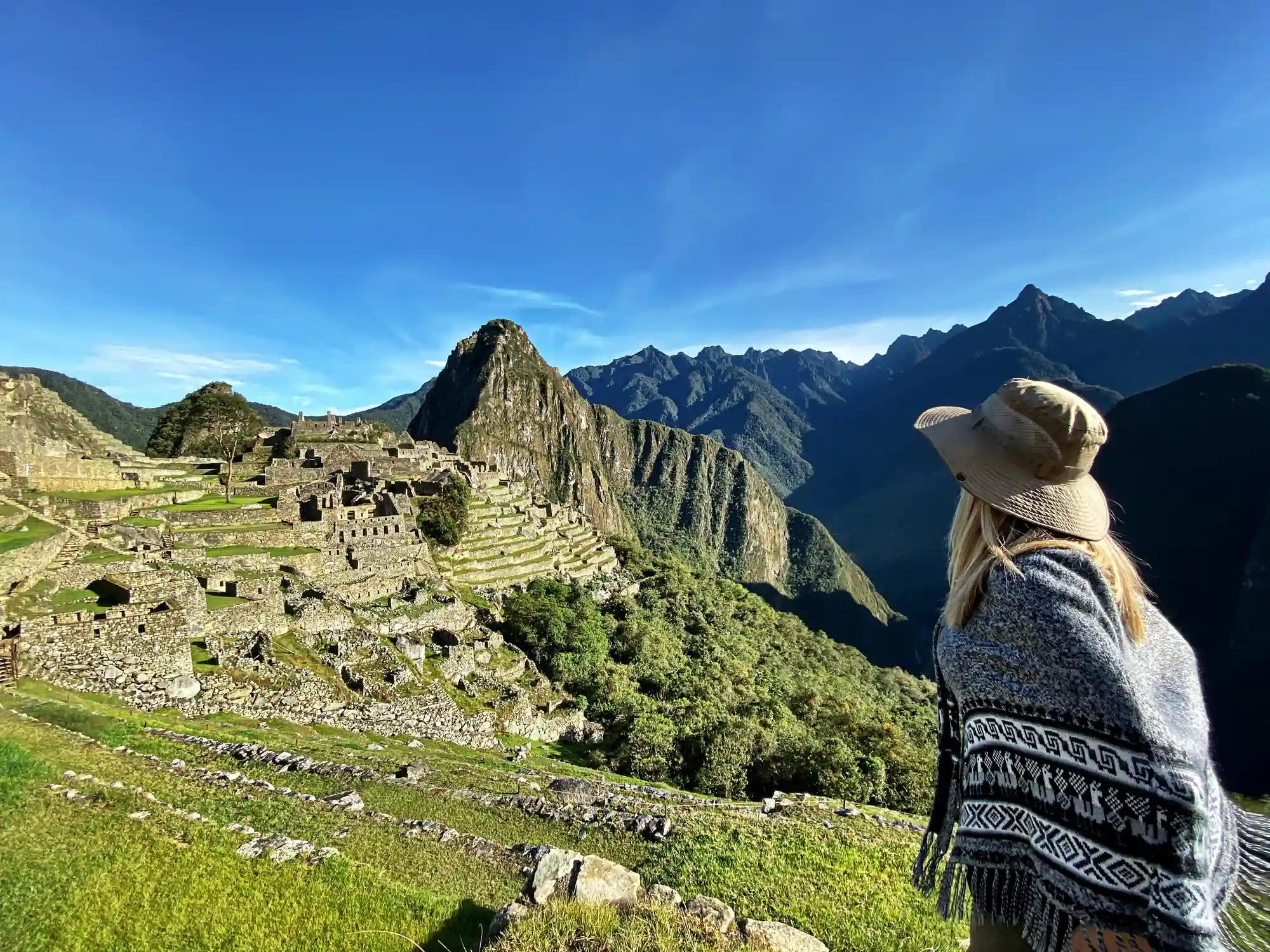
Trekking requires more preparation, appropriate gear, and realistic fitness expectations. It can be physically demanding, but it transforms Machu Picchu from a destination into the final reward of a journey through the Andes.
Choosing the best option
If comfort and efficiency matter most, choose the train. If cultural immersion matters, include the Sacred Valley. If adventure is your priority, consider a trek. If you want the smoothest logistics, combine professional transfers, train tickets, entrance reservations, and a local guide into one coordinated plan.
The route to Machu Picchu should match your travel personality. When it does, the journey becomes as memorable as the citadel itself.






Leave a Reply