
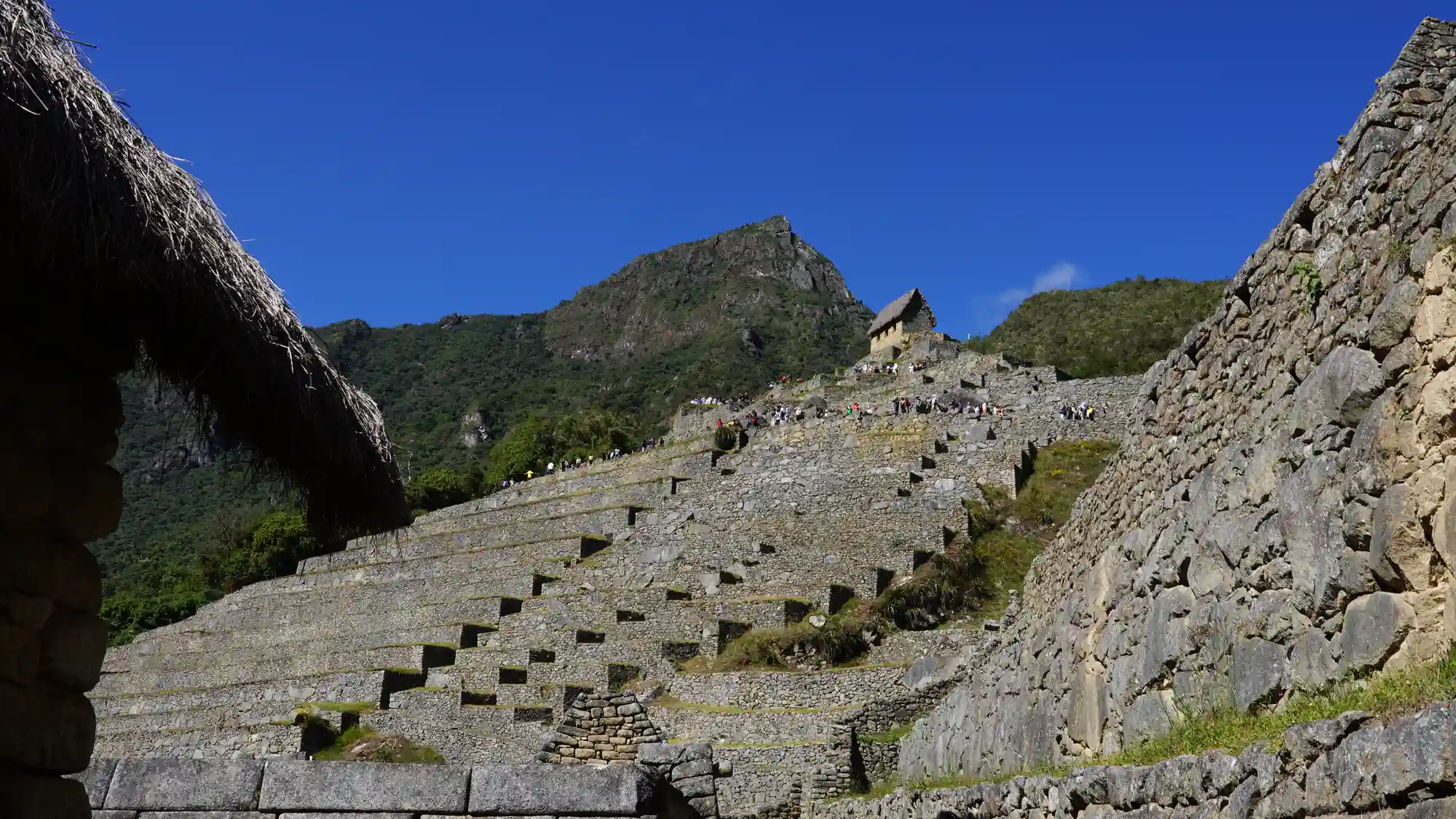
Machu Picchu is famous for its beauty, but its true power becomes clear when you look closely. The citadel is a masterpiece of Inca planning, architecture, agriculture, water management, and landscape integration. It does not sit on the mountain by accident; it works with the mountain.
During your visit, a guide can help you see beyond the photo. Every wall, terrace, stairway, channel, and viewpoint reveals decisions made by builders who understood stone, water, climate, and sacred geography with extraordinary precision.
Terraces that protect and produce
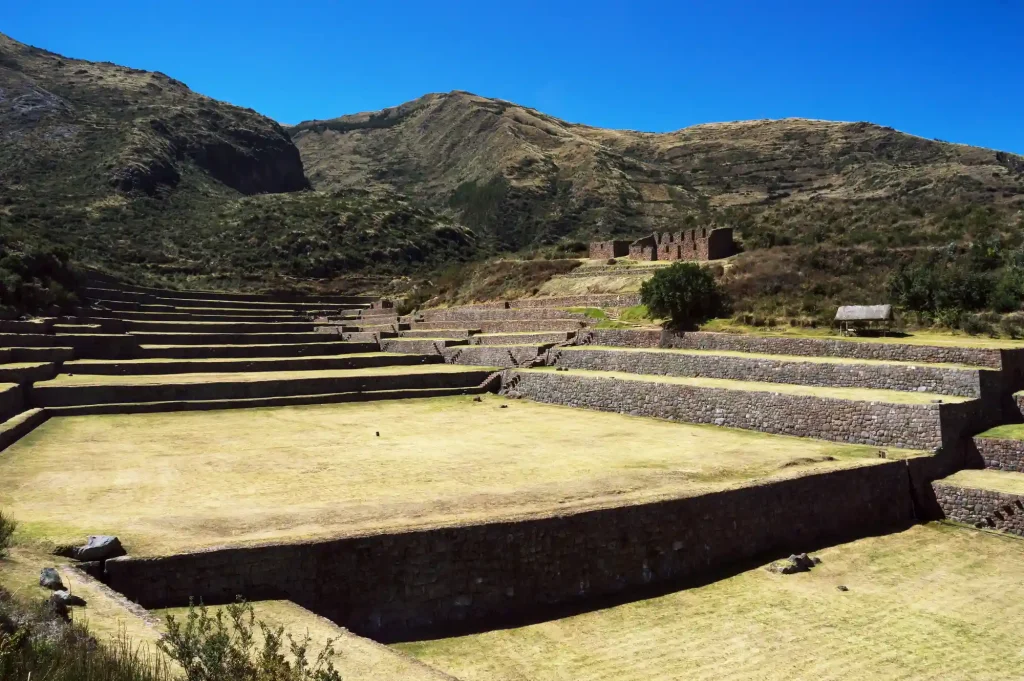
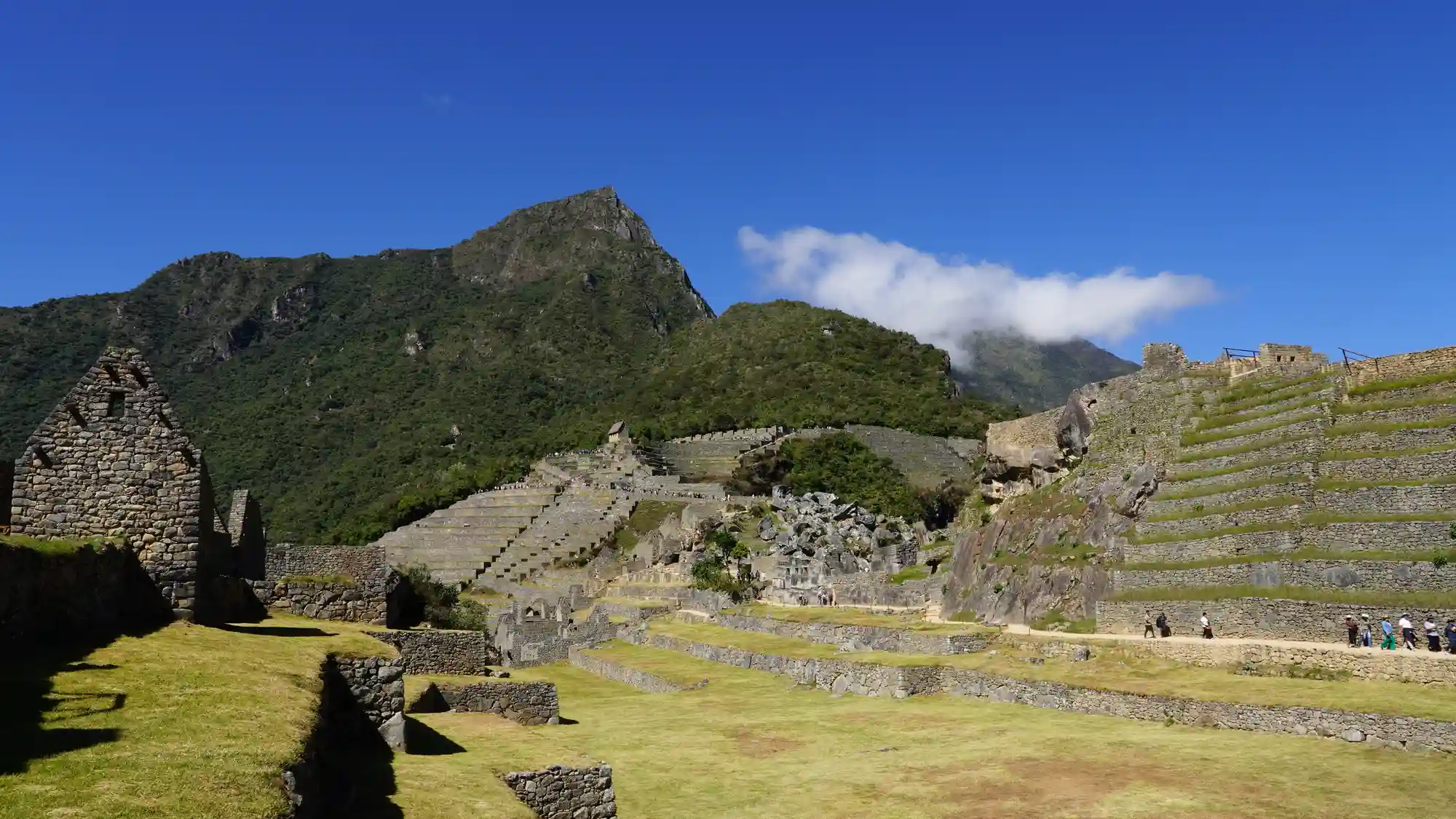
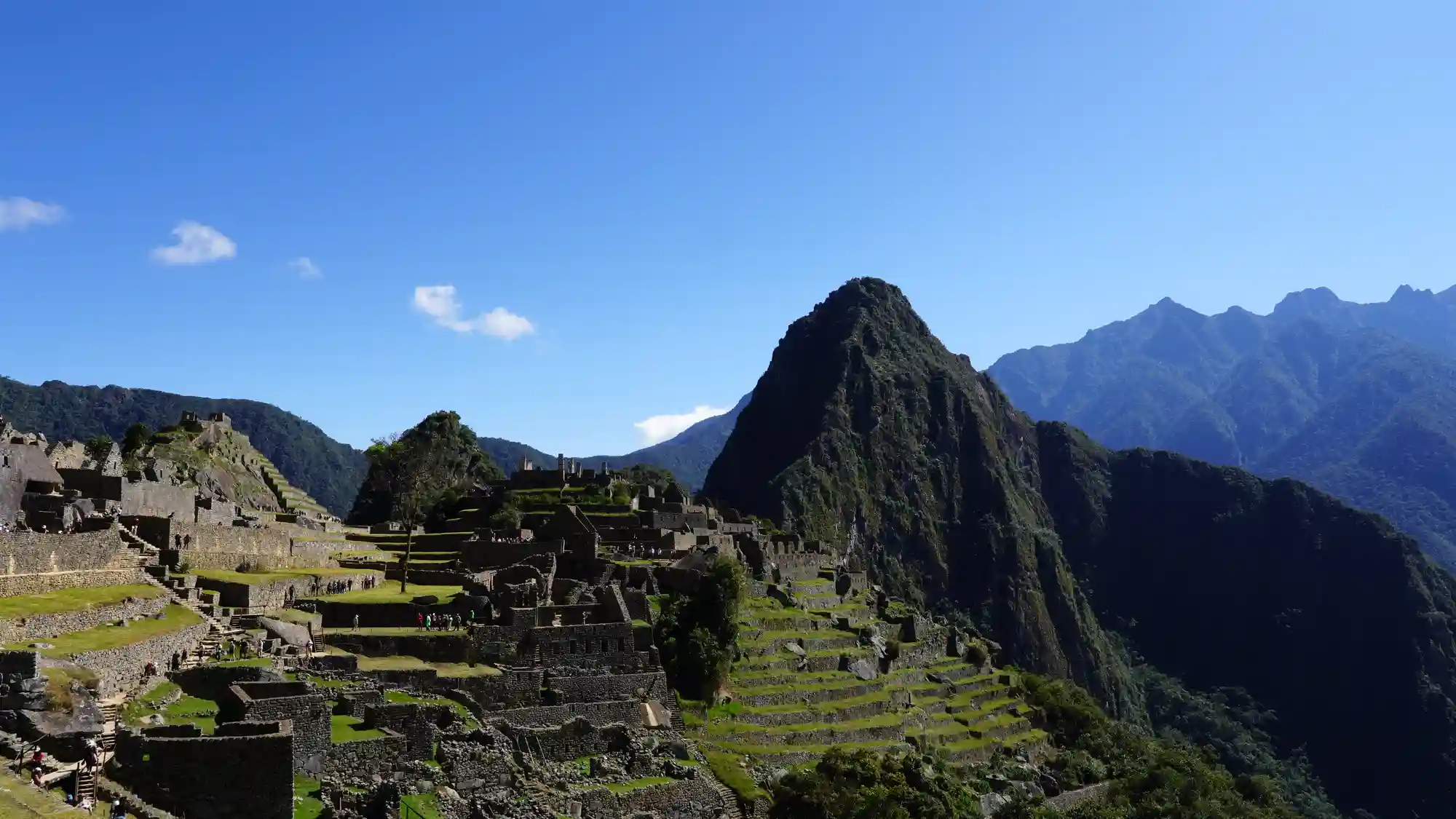
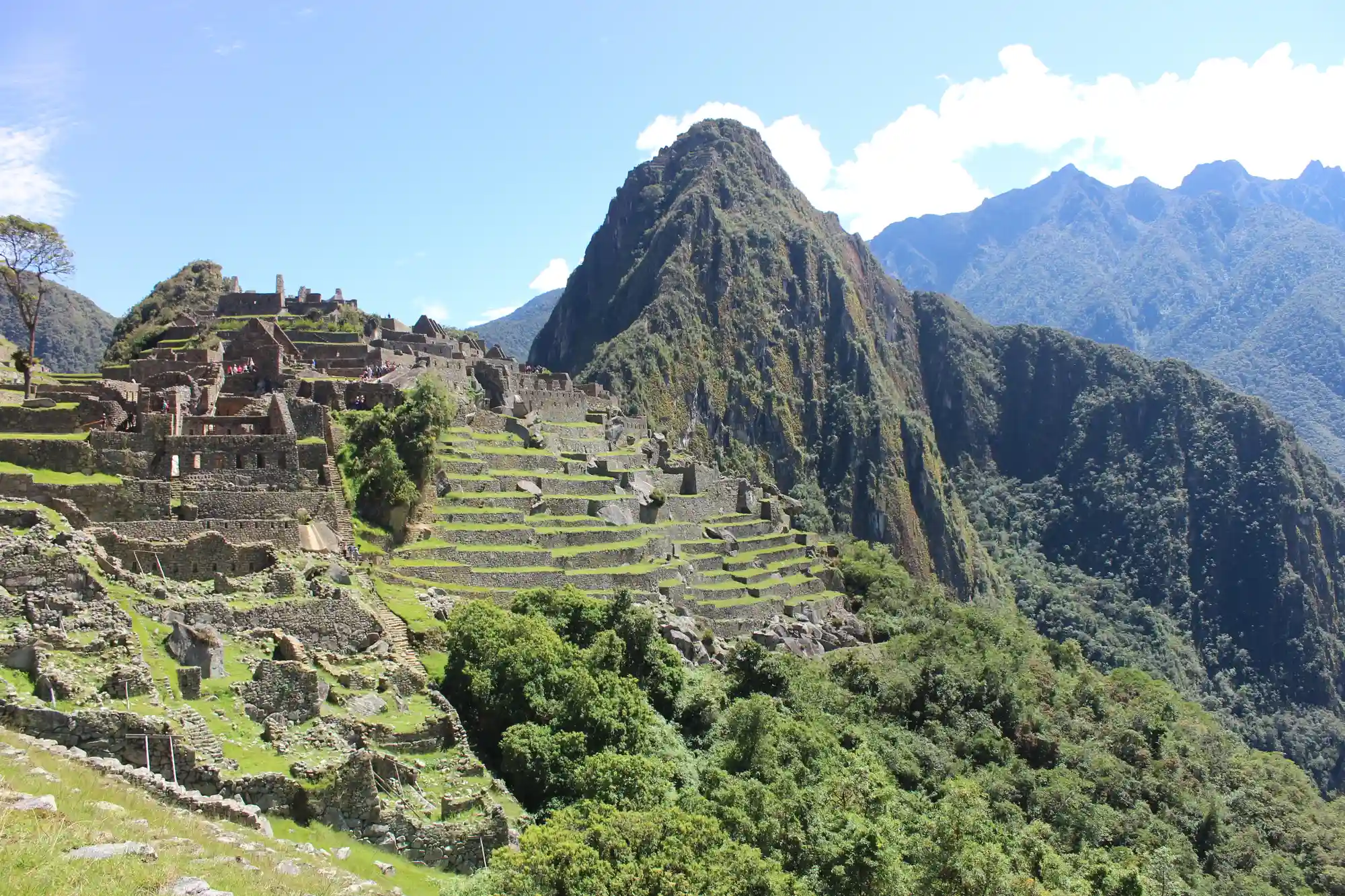
The terraces of Machu Picchu are beautiful, but they were also practical. They stabilized steep slopes, managed drainage, reduced erosion, and created agricultural space in a challenging mountain environment. Their construction required layers of stone, gravel, soil, and careful engineering.
When you look at the terraces, imagine them as the foundation of the city’s survival. Without them, the site would have been far more vulnerable to heavy rain and landslides. They show how Inca architecture was never separated from environmental intelligence.
Stonework shaped with purpose
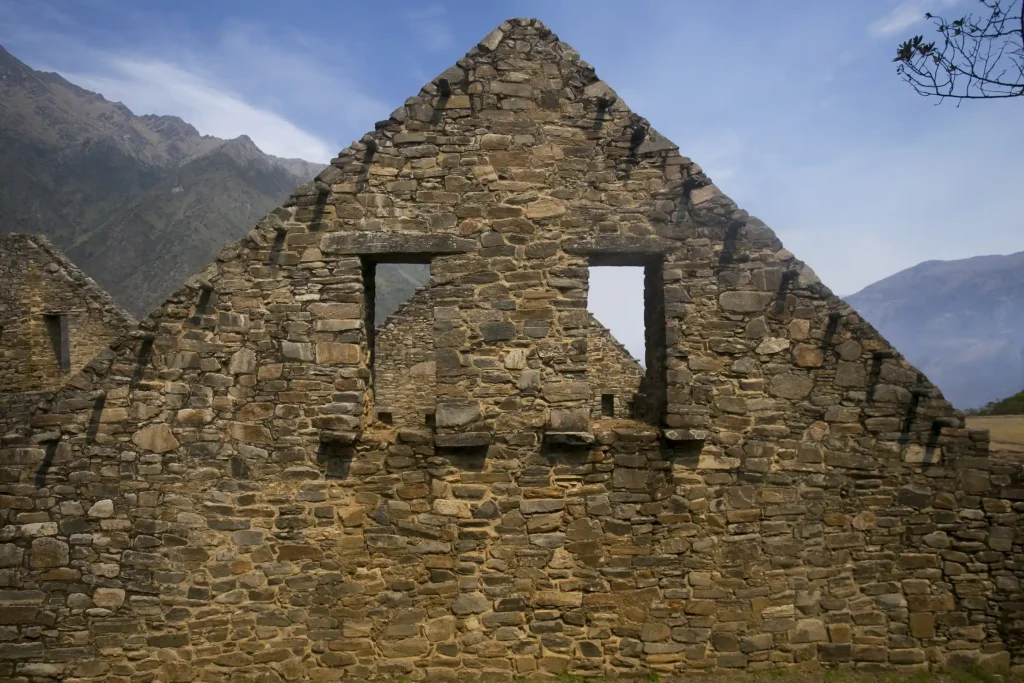
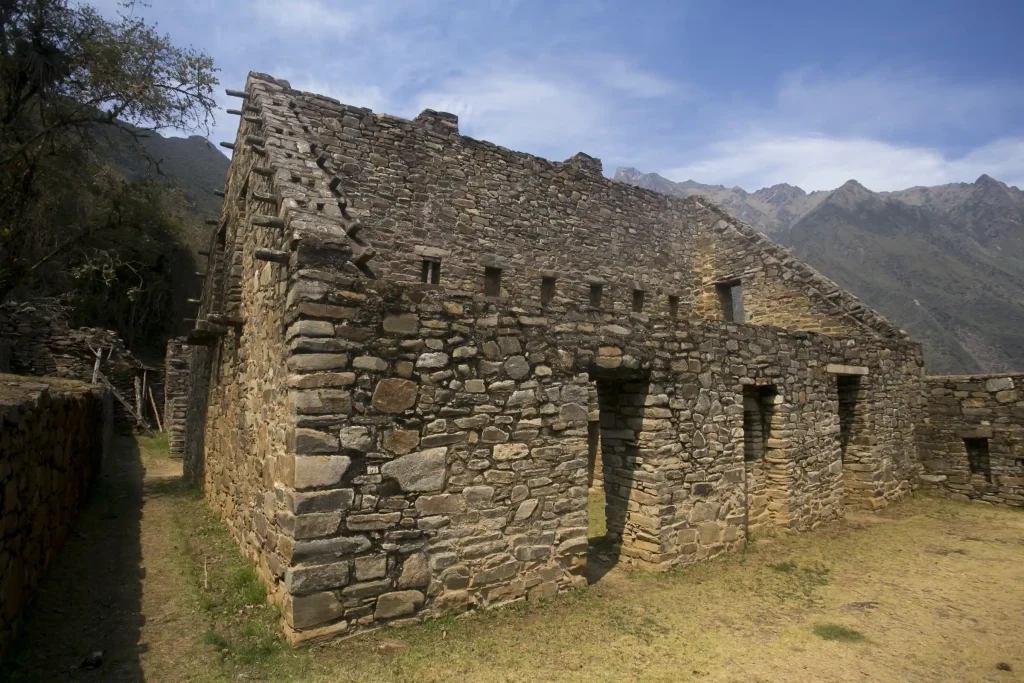
Inca stonework at Machu Picchu ranges from practical walls to refined ceremonial architecture. Some stones fit together with remarkable precision, while other sectors use simpler construction suited to daily use. This variety tells us that different spaces had different levels of importance.
Look for how the walls follow natural rock formations. The builders often incorporated existing stone into their designs, creating architecture that feels like an extension of the mountain rather than something imposed on it.
Water channels and urban planning
Machu Picchu includes channels, fountains, and drainage systems that moved water through the city. In a rainy mountain environment, controlling water was essential. Good drainage protected buildings, paths, terraces, and ceremonial spaces.
The city also shows clear organization. Agricultural areas, residential spaces, ceremonial sectors, and plazas are arranged with intention. The more you understand the layout, the more the site feels like a functioning urban center rather than a collection of ruins.
A sacred landscape
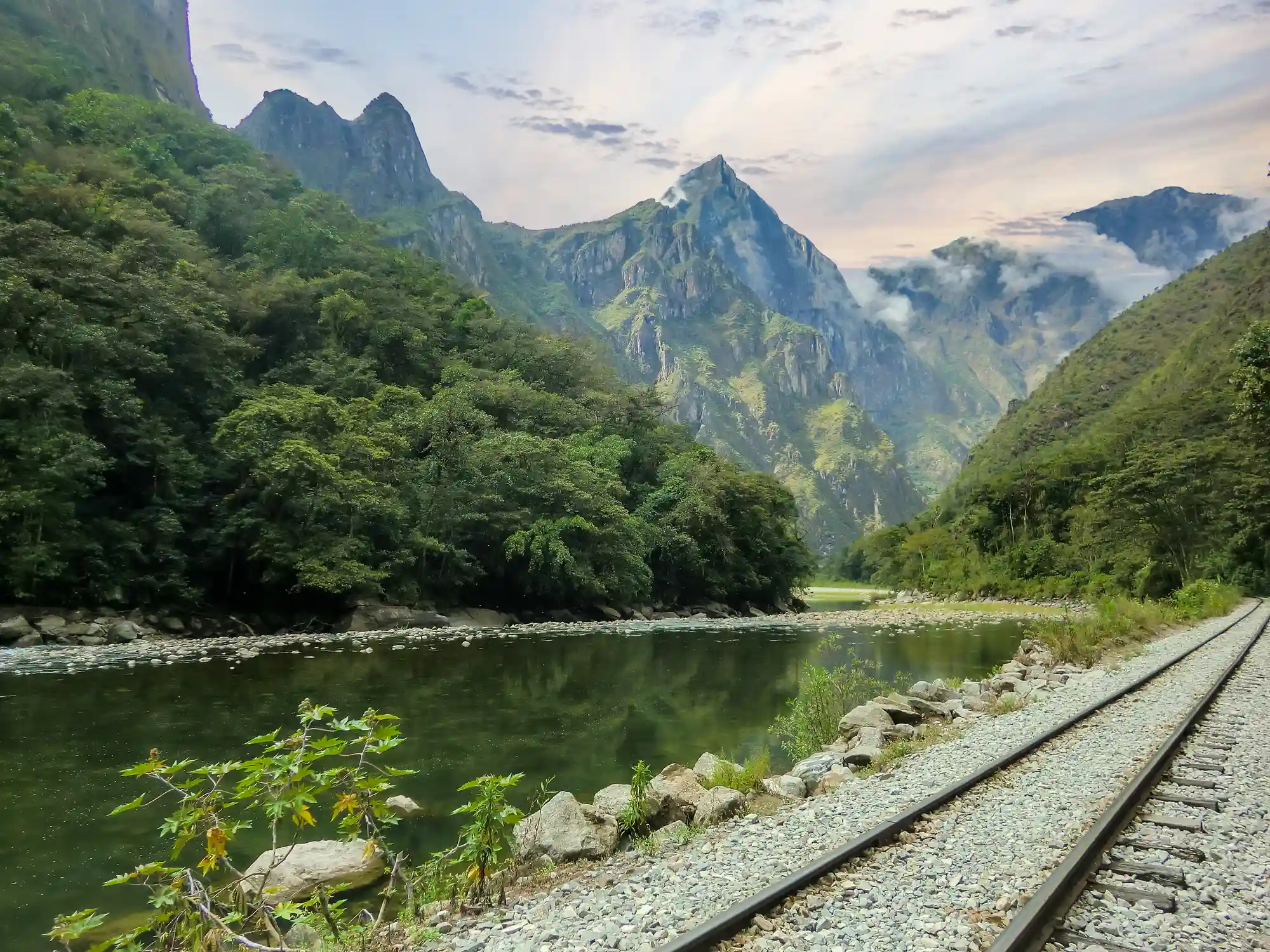
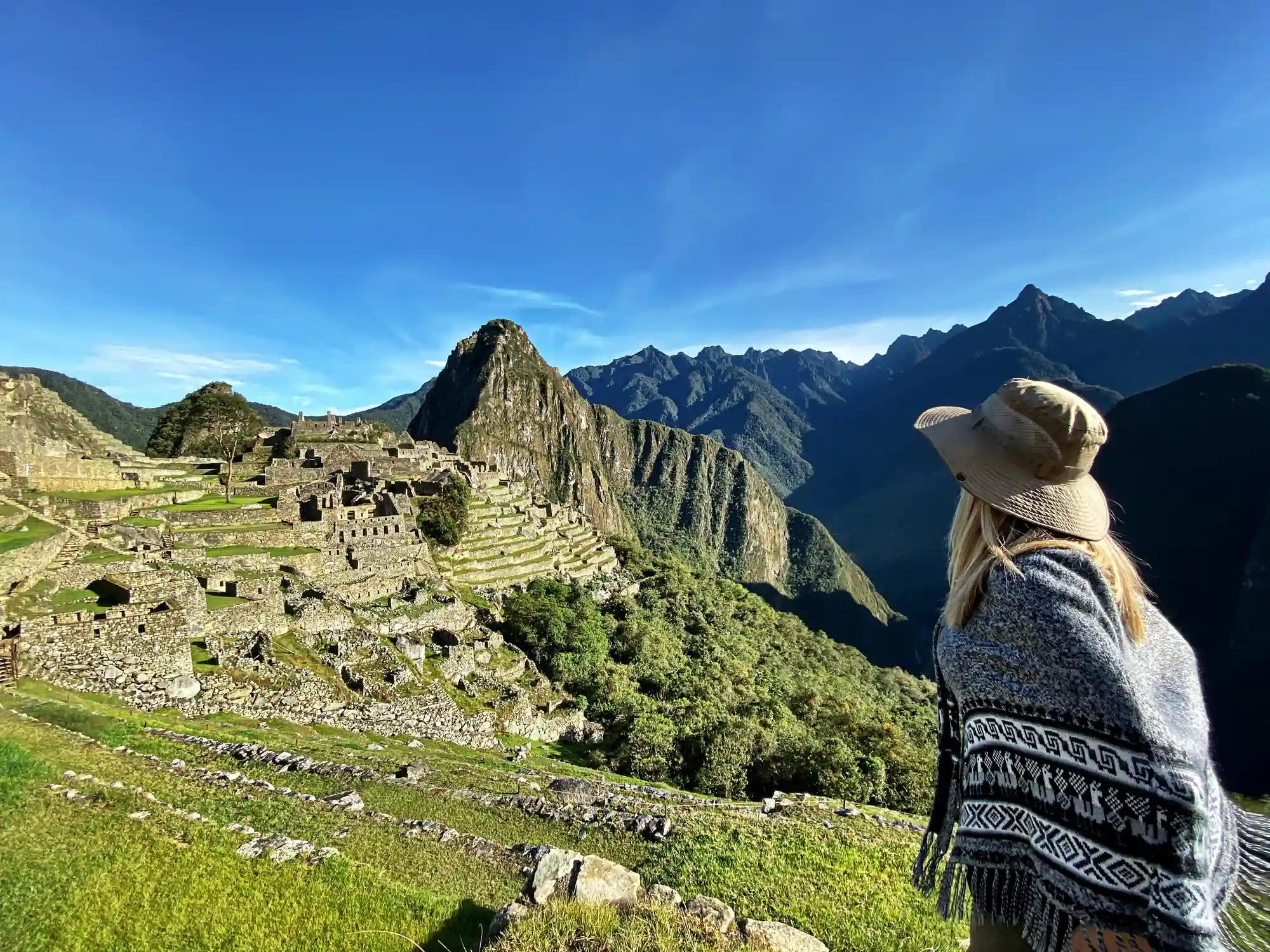
The surrounding mountains are part of the experience. In the Andean worldview, mountains could hold spiritual significance, and Machu Picchu’s position between peaks, valleys, and celestial movements suggests a strong relationship between architecture and sacred geography.
Notice how viewpoints frame the landscape. The Incas did not hide from the mountains; they built with them, aligned with them, and made them part of the city’s identity.
Why a guided visit matters
Without interpretation, Machu Picchu can look like a beautiful maze of stone. With a knowledgeable guide, it becomes a place of design, meaning, and human achievement. You begin to understand why UNESCO recognizes it for both cultural and natural value.
Take time to observe details. The most memorable parts of Machu Picchu are often not only the widest views but the small moments when engineering, history, and landscape suddenly connect.






Leave a Reply