

Modern Machu Picchu visits are organized through official circuits and routes. This system helps protect the archaeological site, controls visitor flow, and gives each traveler a defined path through specific areas of the sanctuary. Understanding the route system before booking is one of the most important parts of planning your visit.
The right circuit depends on your expectations. Some routes emphasize panoramic views and classic photos. Others focus on the central archaeological sectors, mountain hikes, or lower areas connected with Inca royalty and ceremonial spaces. There is no single perfect route for everyone; there is a best route for your travel style.
Why circuits matter
In the past, many travelers imagined Machu Picchu as a place where one ticket allowed open movement through the entire citadel. Today, the experience is more controlled. Your chosen ticket defines what you can see, where you enter, how you move, and which areas are included.
This makes planning more important, but it also creates a clearer visit. Instead of improvising, you can choose the experience you want: a panoramic introduction, a classic archaeological route, or a more active visit with additional mountain access.
Panoramic routes
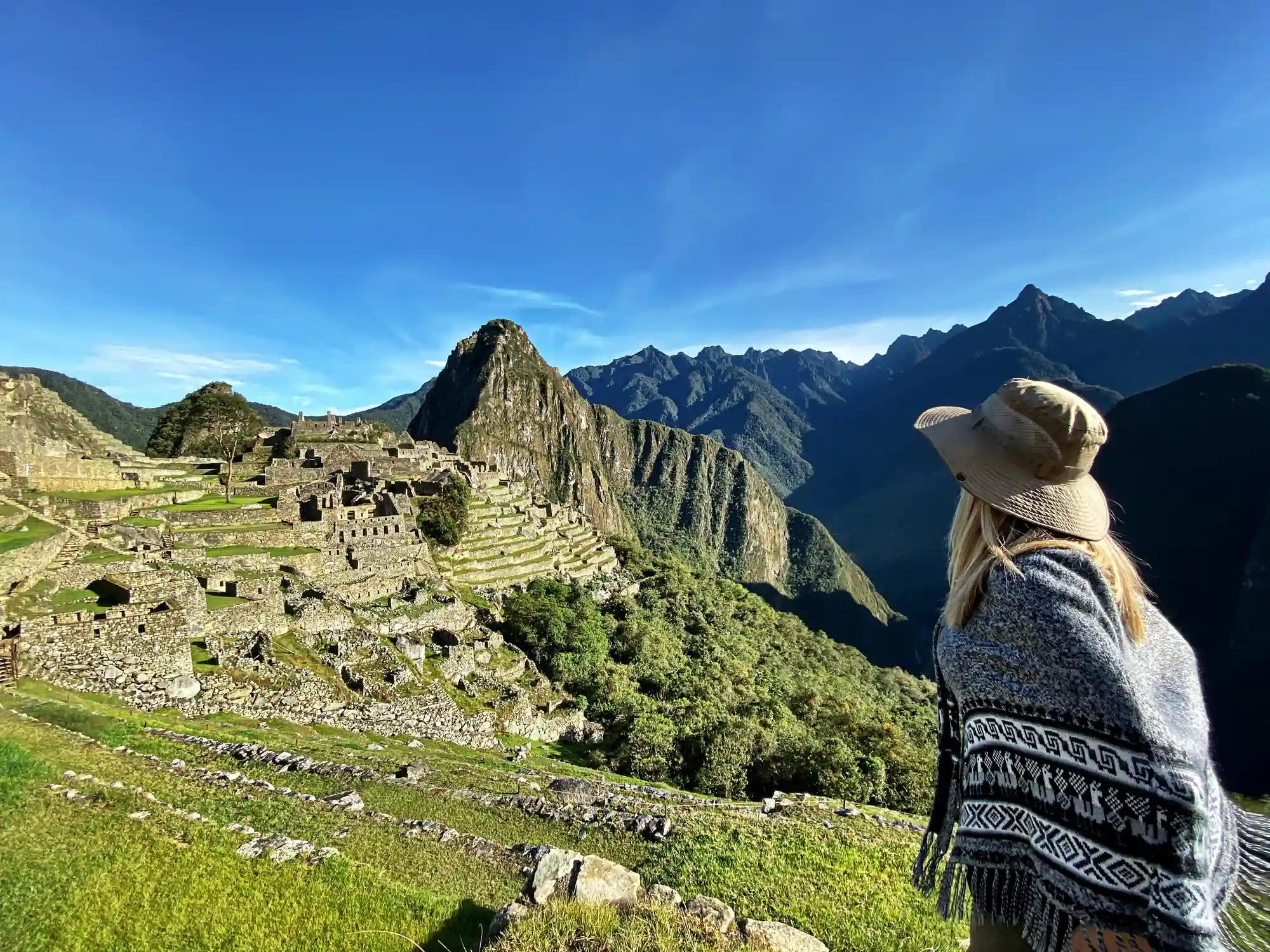
Panoramic routes are ideal for travelers who dream of wide views over the citadel. These routes can be especially attractive for photographers, couples, and first-time visitors who want the emotional impact of seeing Machu Picchu from above. Depending on the official route selected, they may include viewpoints or mountain-related options.
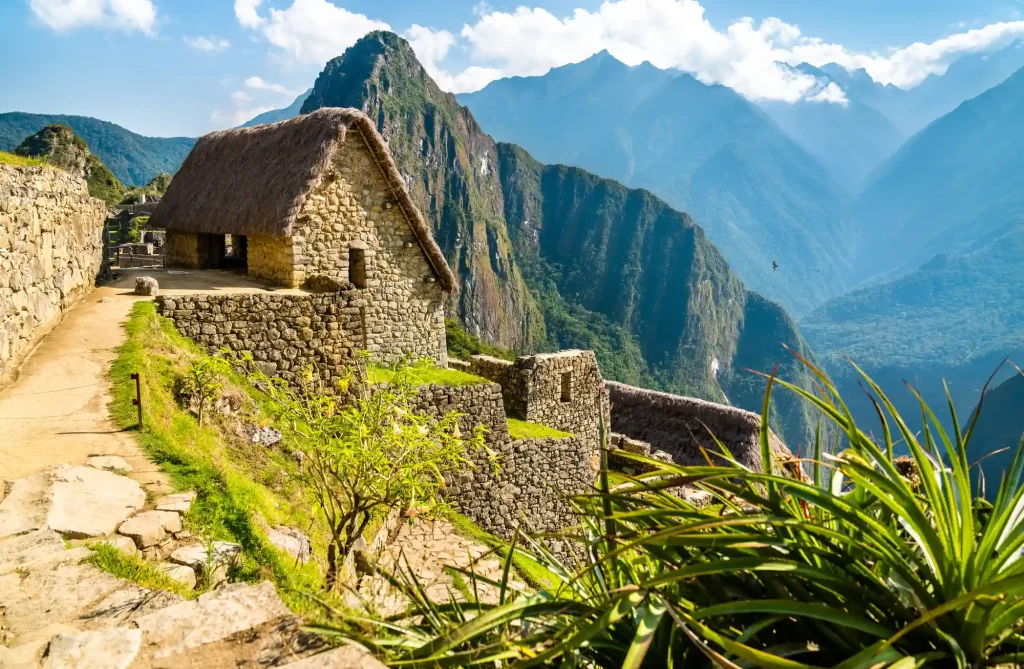
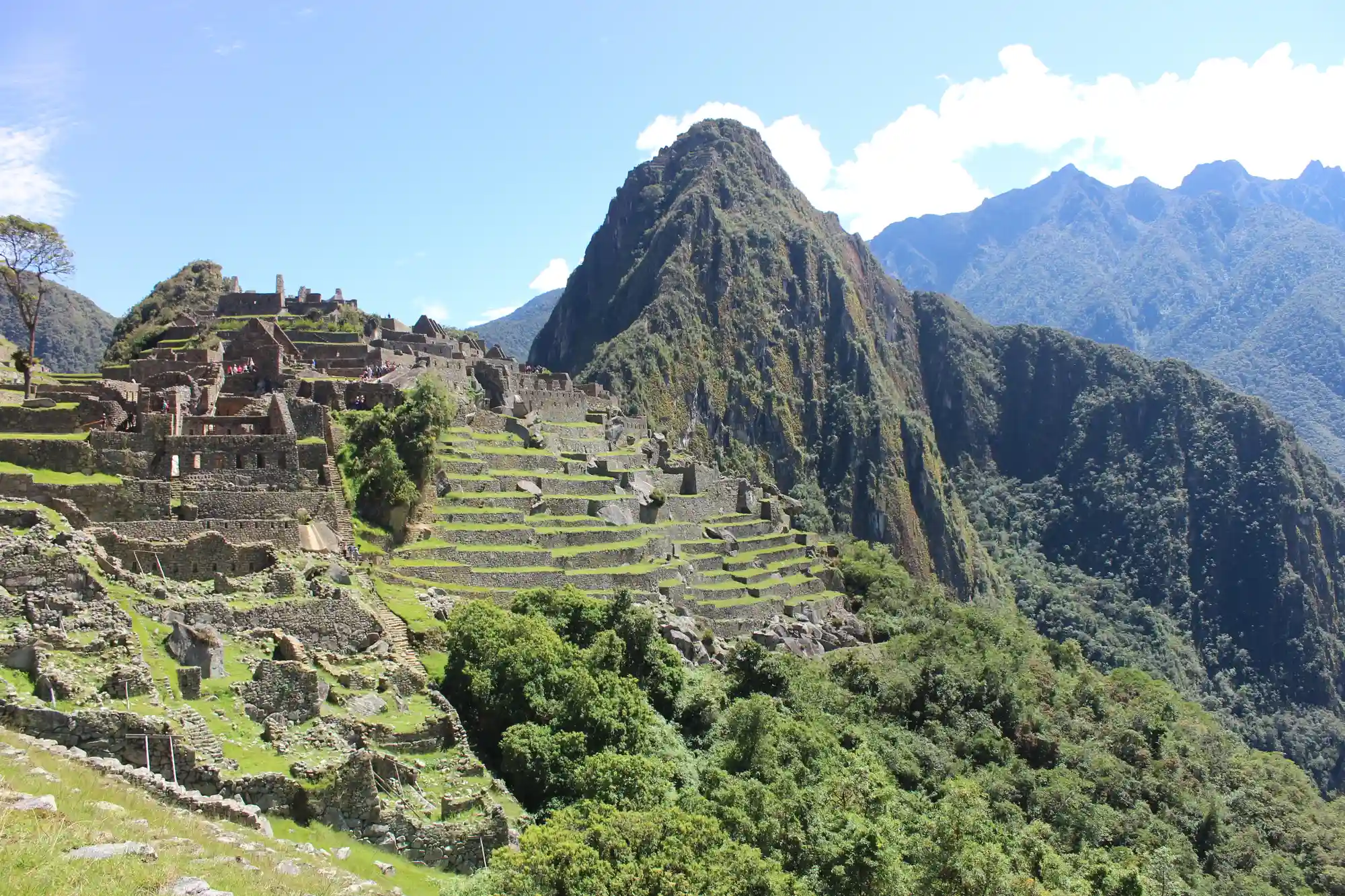
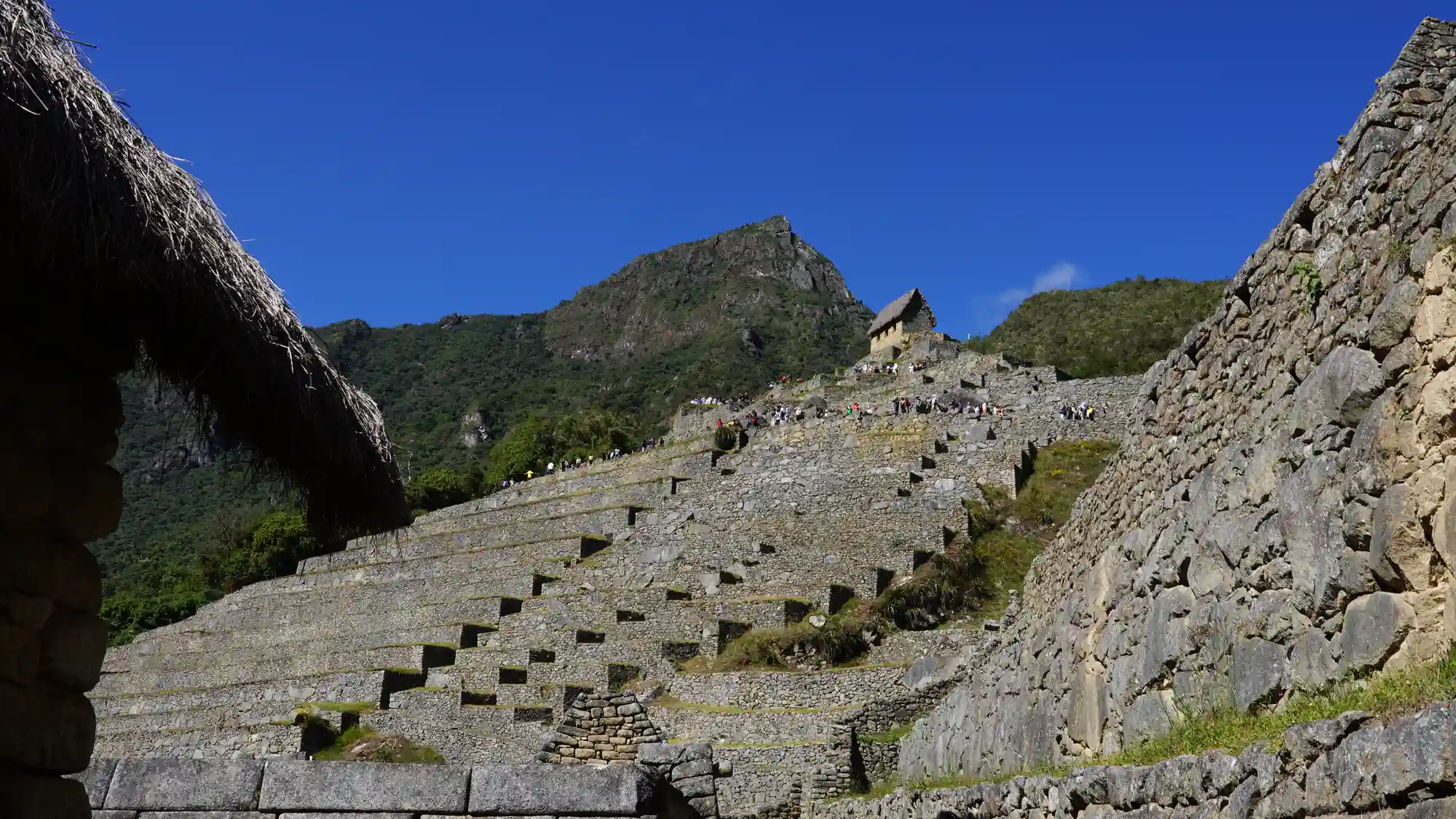
These routes are not always the best choice for travelers who want to walk through the largest number of interior sectors. Their strength is perspective: they help you understand how the city sits between mountains, ridges, agricultural terraces, and the deep valley below.
Classic routes
Classic routes are often preferred by first-time visitors who want a balanced experience of the citadel. They generally focus on the iconic image of Machu Picchu while also giving context to its urban design, terraces, temples, and main archaeological areas.
If your goal is to understand the site with a guide and enjoy the most recognizable Machu Picchu experience, a classic-style route is usually a strong option. It provides a satisfying introduction without requiring a mountain hike or a more demanding physical plan.
Royal-sector and mountain routes
Some routes focus on areas associated with important ceremonial or residential sectors, while others include hikes such as Huayna Picchu, Machu Picchu Mountain, Huchuy Picchu, or seasonal routes. These can be unforgettable, but they require honest planning. Steps can be steep, spaces can be narrow, and physical effort varies by route.
Travelers choosing these options should consider fitness level, comfort with heights, weather, and available time. The reward can be extraordinary views and a more adventurous connection with the surrounding landscape.
How to choose wisely
Start with your priority: classic photo, cultural interpretation, mountain hike, shorter visit, family comfort, or deeper archaeological focus. Then match that priority to the available official route. If you are unsure, ask a local specialist before purchasing tickets, because changing routes later may not be possible.
A good route is not just about seeing more. It is about seeing the right things with enough time, good guidance, and a pace that lets you appreciate where you are. Machu Picchu rewards attention more than speed.





Leave a Reply