
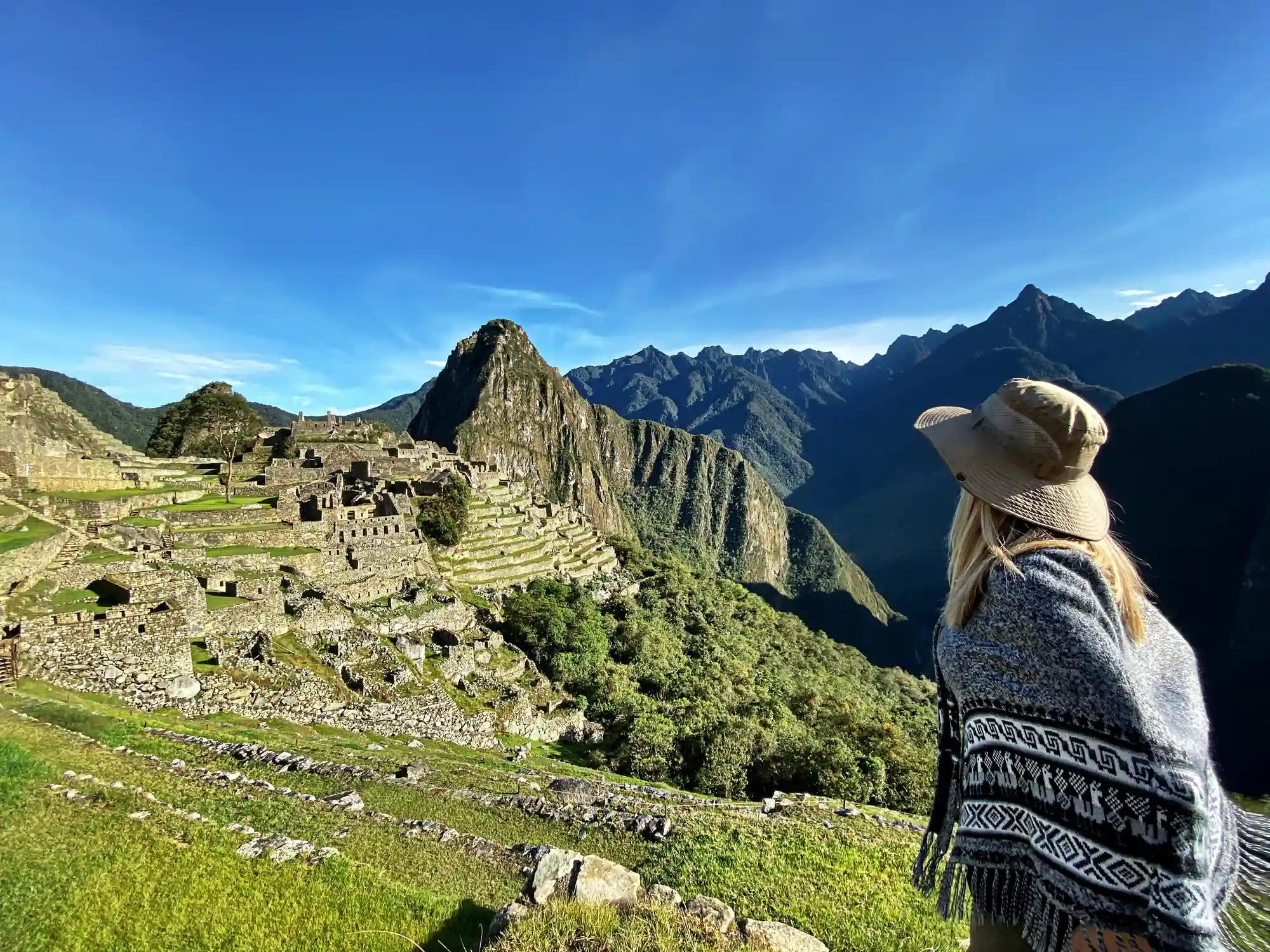
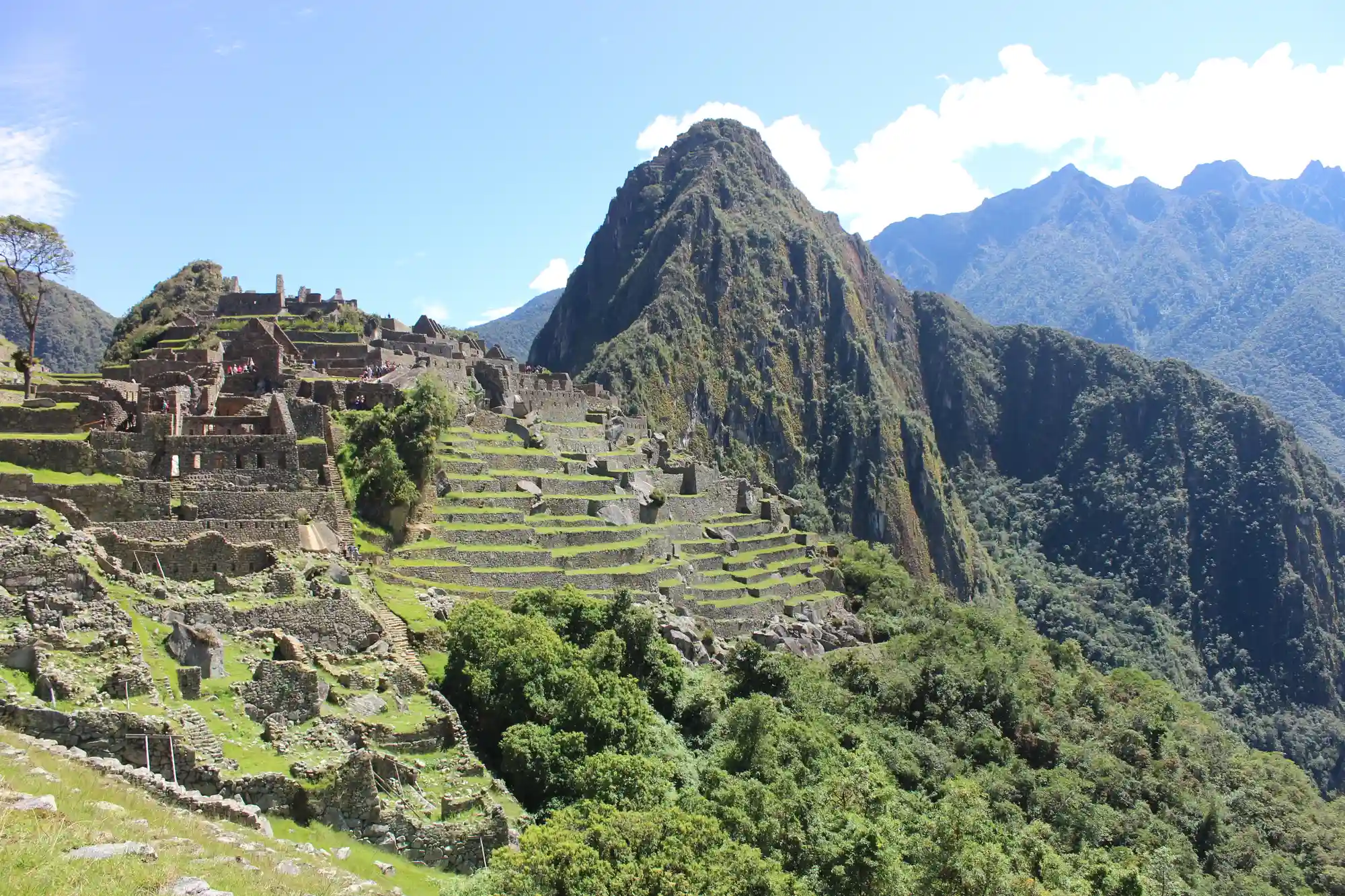
Machu Picchu is the star of many Peru trips, but the Sacred Valley is the stage that makes the story richer. Combining both destinations creates a more complete understanding of Inca history, Andean landscapes, local communities, and the route that leads naturally toward the famous citadel.
Instead of treating Machu Picchu as a quick excursion, a Sacred Valley itinerary gives travelers time to slow down, acclimate, and appreciate the culture that surrounds the sanctuary.
The Sacred Valley helps with acclimatization
Cusco is located at high altitude, and some travelers feel the change on their first day. The Sacred Valley is lower than Cusco and often feels more comfortable for resting, walking, and adjusting gradually. This makes it a smart place to spend time before visiting Machu Picchu.
A relaxed first day in the valley can reduce fatigue and make the Machu Picchu visit more enjoyable. Instead of rushing from one transfer to another, you begin the journey with better energy and a calmer pace.
Ollantaytambo connects history and transportation
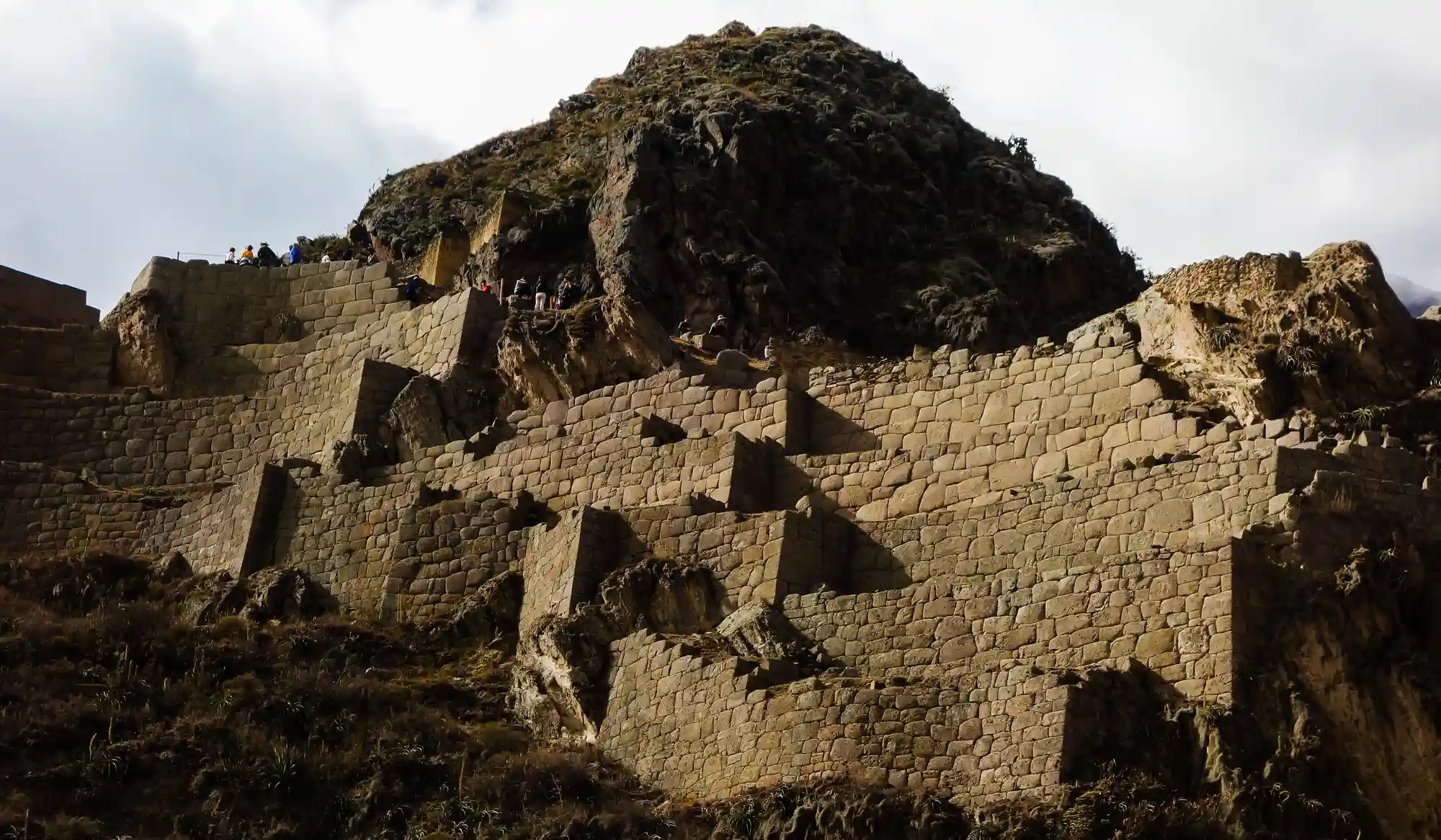
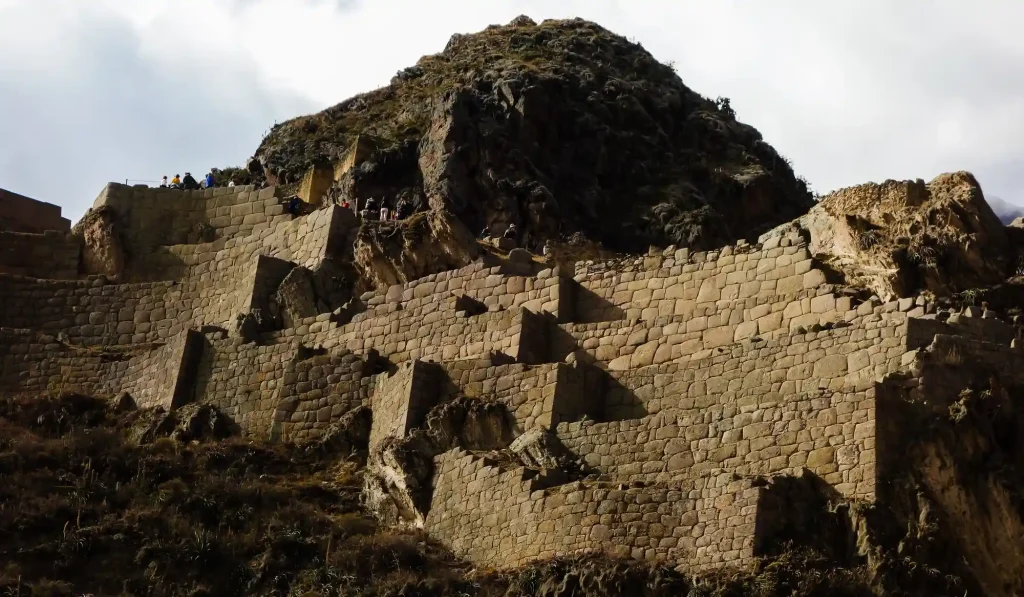
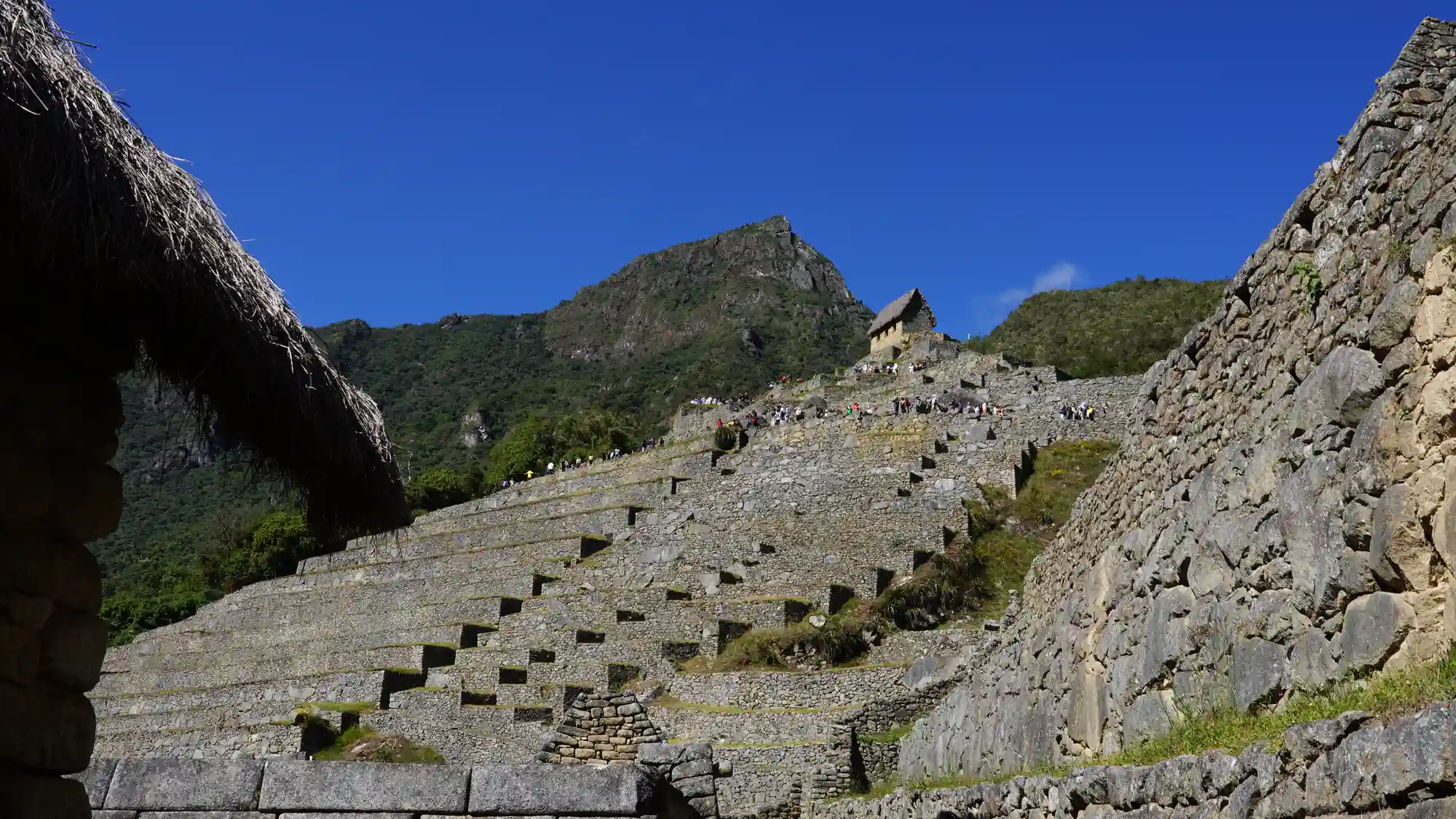
Ollantaytambo is one of the most valuable stops in the Sacred Valley. It has impressive Inca terraces, a living historic town, stone streets, and access to train services toward Aguas Calientes. For many itineraries, it is both a cultural highlight and a practical connection point.
Spending time here helps travelers understand Inca urban planning before reaching Machu Picchu. The architecture, water channels, and mountain setting create a natural introduction to what will appear later in the citadel.
Pisac, Moray, Maras, and Chinchero add context
Pisac offers terraces, views, and a traditional market atmosphere. Moray shows circular agricultural terraces that reveal the Inca ability to experiment with microclimates. Maras displays salt pans that have been used for generations. Chinchero brings textiles, colonial history, and highland scenery into the route.
Each place adds a different layer to the journey. Together, they show that Machu Picchu was not an isolated wonder but part of a broader Andean world shaped by engineering, agriculture, trade, ceremony, and community life.
A better rhythm for photography and families
The Sacred Valley gives travelers more space and flexibility than a single long day. Families can break up transfers, photographers can enjoy changing light, and couples can turn the trip into a more scenic experience. The valley is also full of beautiful viewpoints, local restaurants, artisan stops, and quiet moments between major sites.
This rhythm matters. A slower itinerary often produces better memories because travelers are not constantly watching the clock.
How to combine it with Machu Picchu
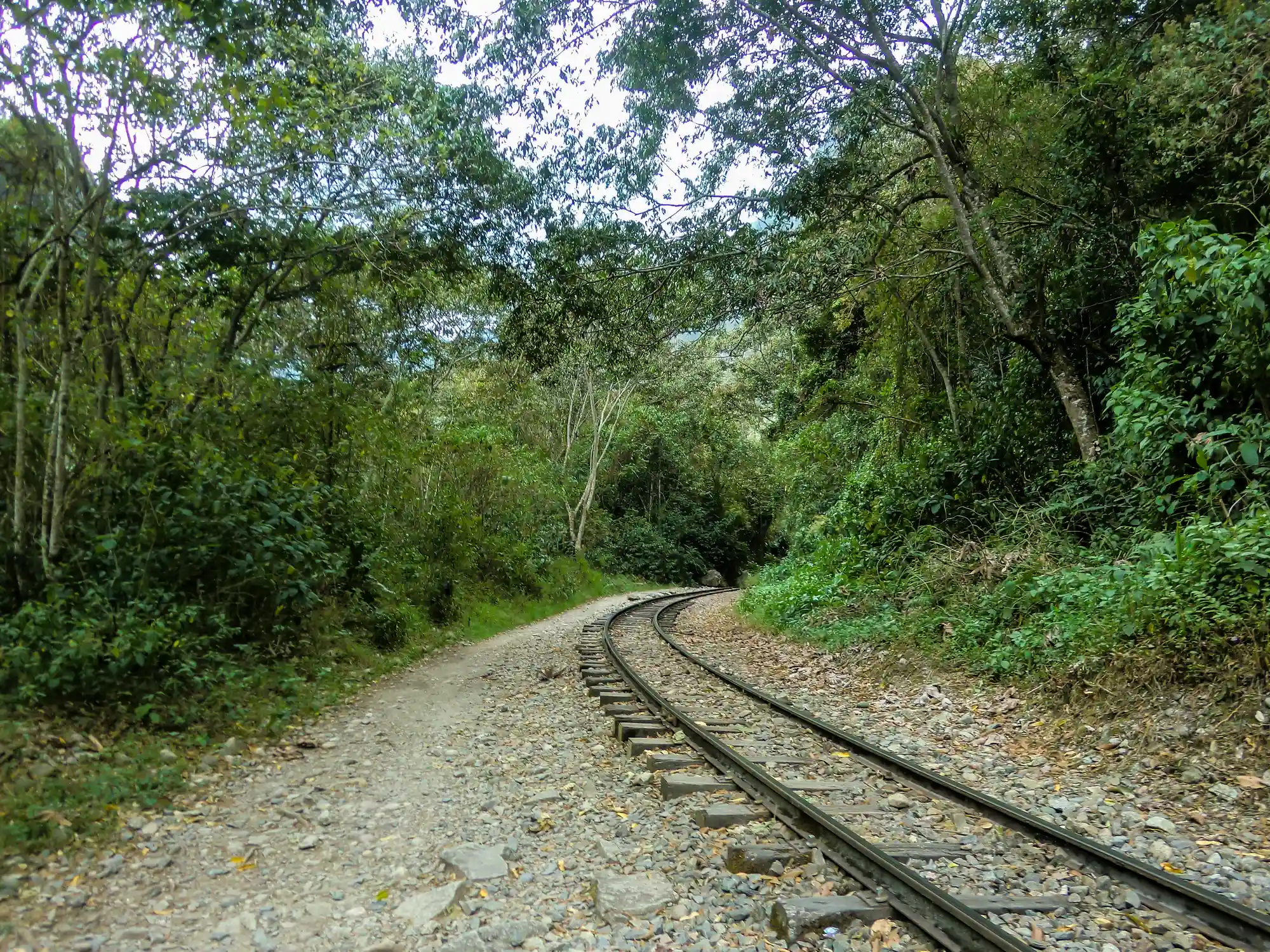
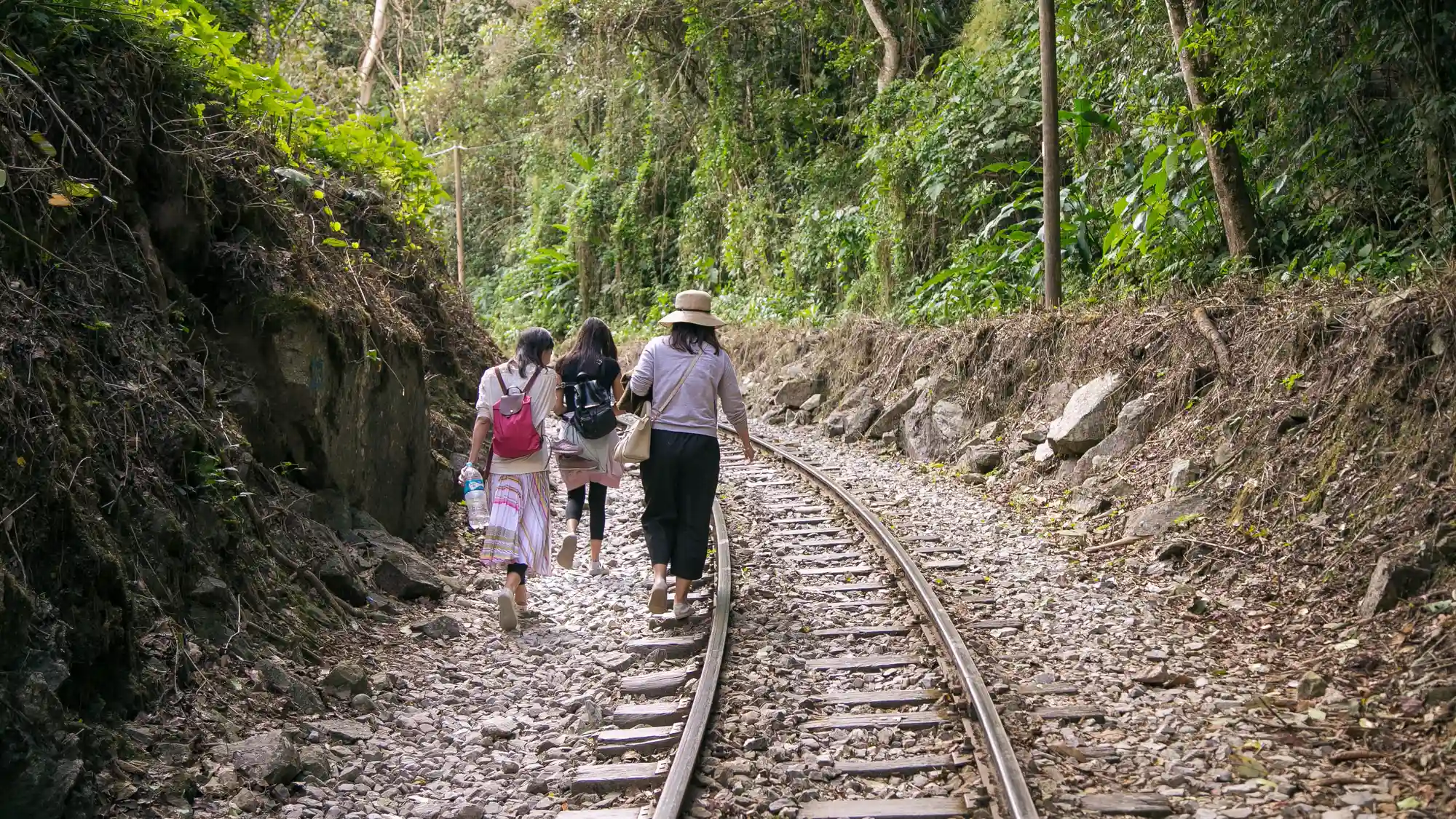
A strong plan can begin in Cusco, continue through the Sacred Valley, overnight near Ollantaytambo or Aguas Calientes, and finish with the guided Machu Picchu visit. This structure reduces backtracking and makes the journey feel smooth.
If you want a Peru trip that feels complete rather than rushed, combine Machu Picchu with the Sacred Valley. The citadel becomes more meaningful when the route has already taught you how the Inca world worked.





Leave a Reply