
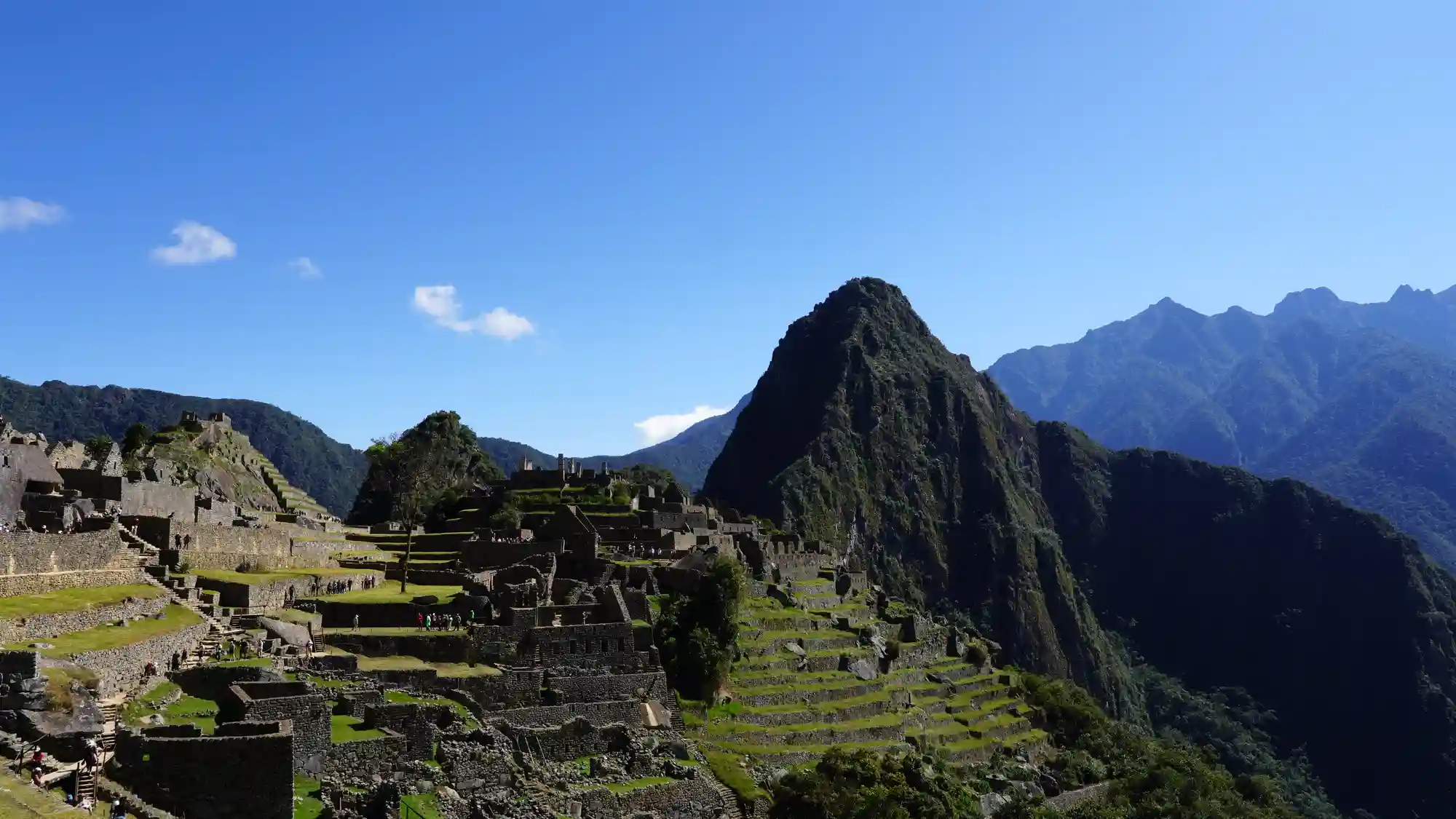
Machu Picchu is one of the most photographed places in the world, but great images come from more than pointing the camera at the classic view. Light, weather, route choice, patience, and attention to detail all shape the story your photos will tell.
The best photography approach respects the site and the people around you. Move with the route, avoid blocking paths, listen to staff, and remember that the experience itself matters more than any single shot.
The classic view
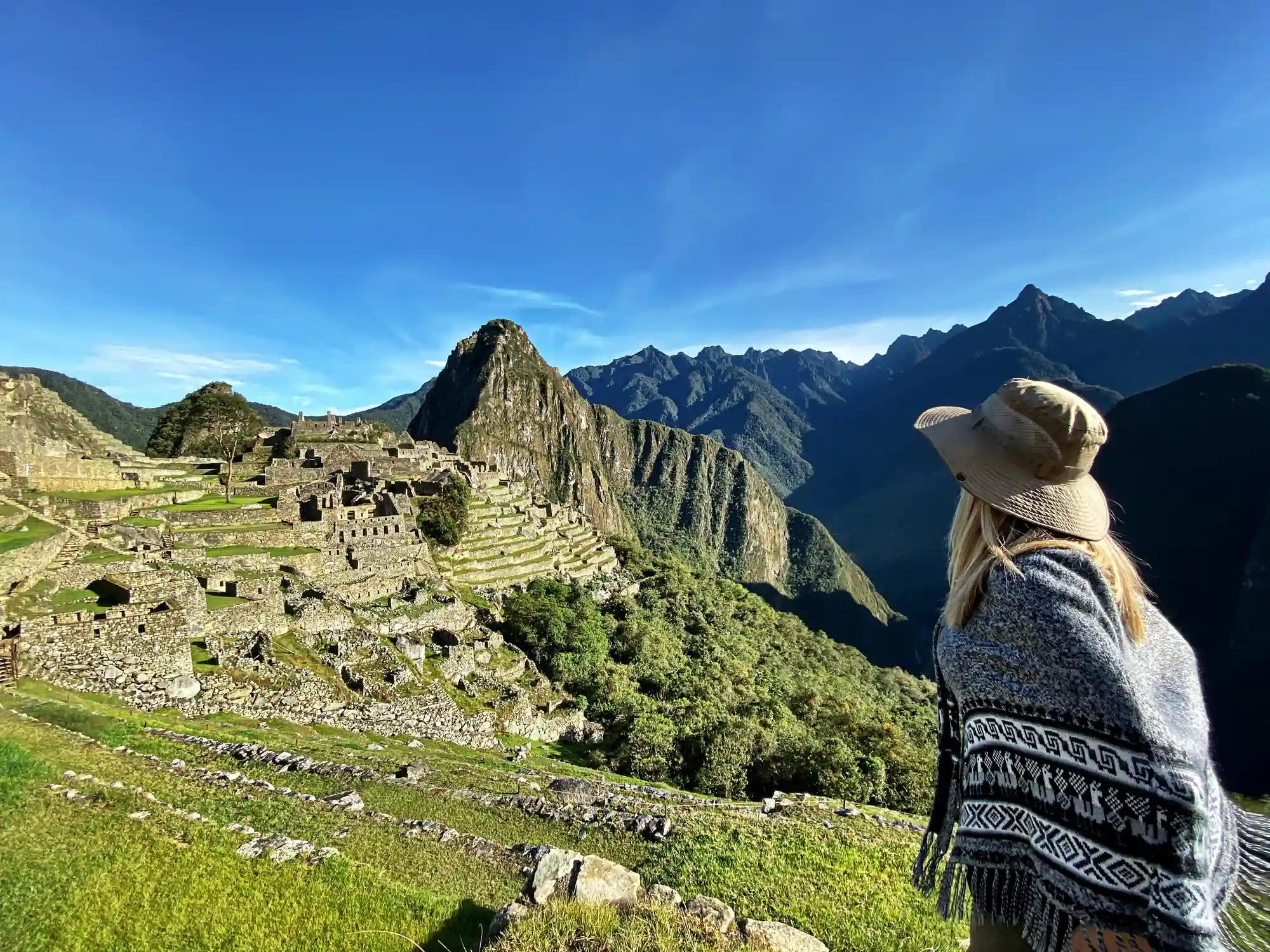
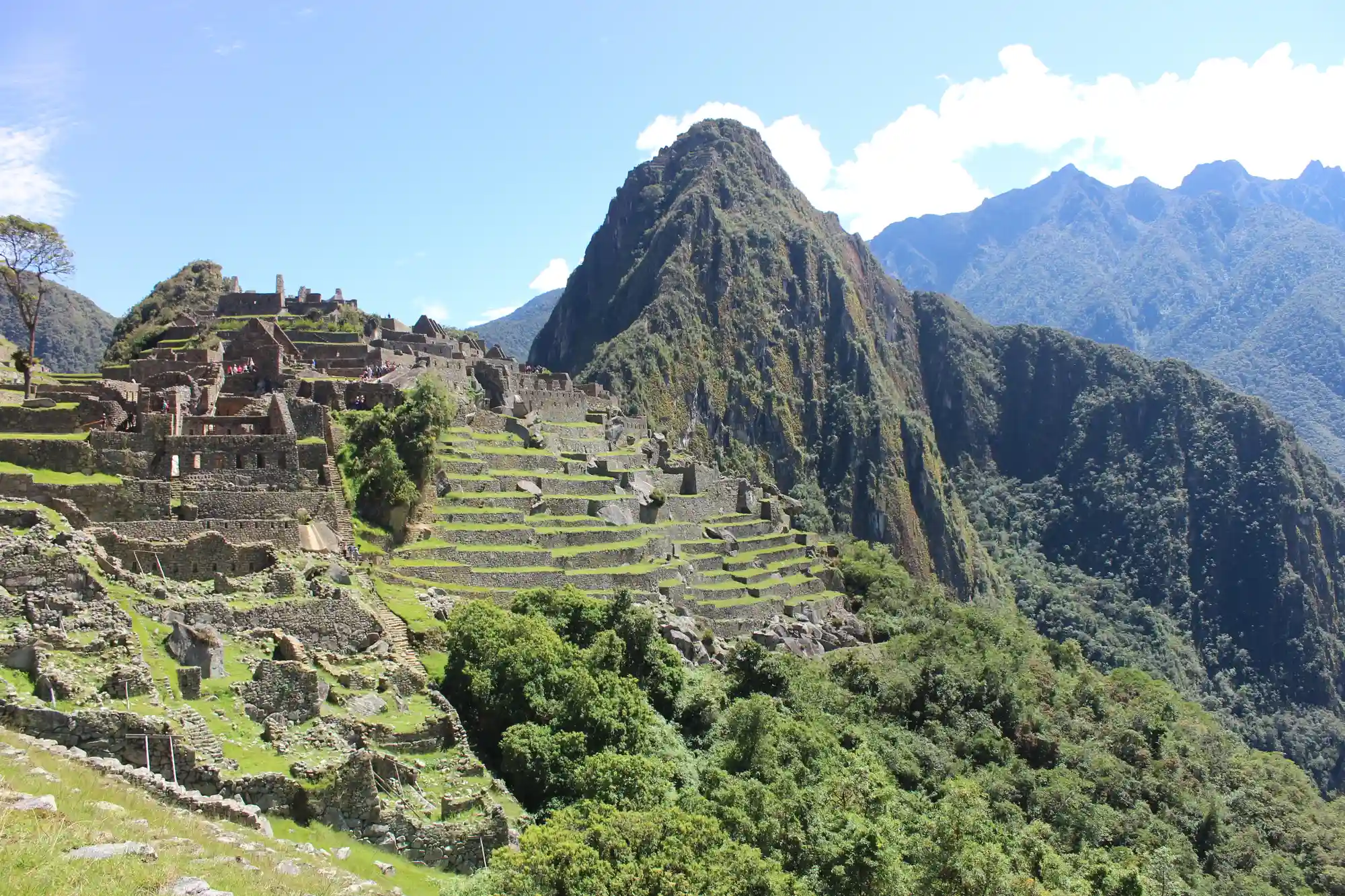
The most iconic Machu Picchu image shows the citadel spread across terraces with Huayna Picchu rising behind it. This view is powerful because it reveals the relationship between architecture and mountain landscape. If your route includes a classic or panoramic viewpoint, take time to compose carefully rather than rushing.
Look for balance: terraces in the foreground, the urban sector in the center, and the mountain behind. Clouds, mist, or side light can add mood. A completely clear sky is beautiful, but atmosphere often makes a more memorable image.
Morning light and afternoon light
Morning can bring mist, cooler colors, and dramatic reveals as clouds move. Afternoon can offer warmer light, softer shadows, and sometimes a calmer rhythm depending on the date and route. Both can be excellent.
If photography is a major goal, coordinate your entrance time and route before booking. The best camera will not help if your ticket does not access the type of view you want.
Photograph details, not only panoramas
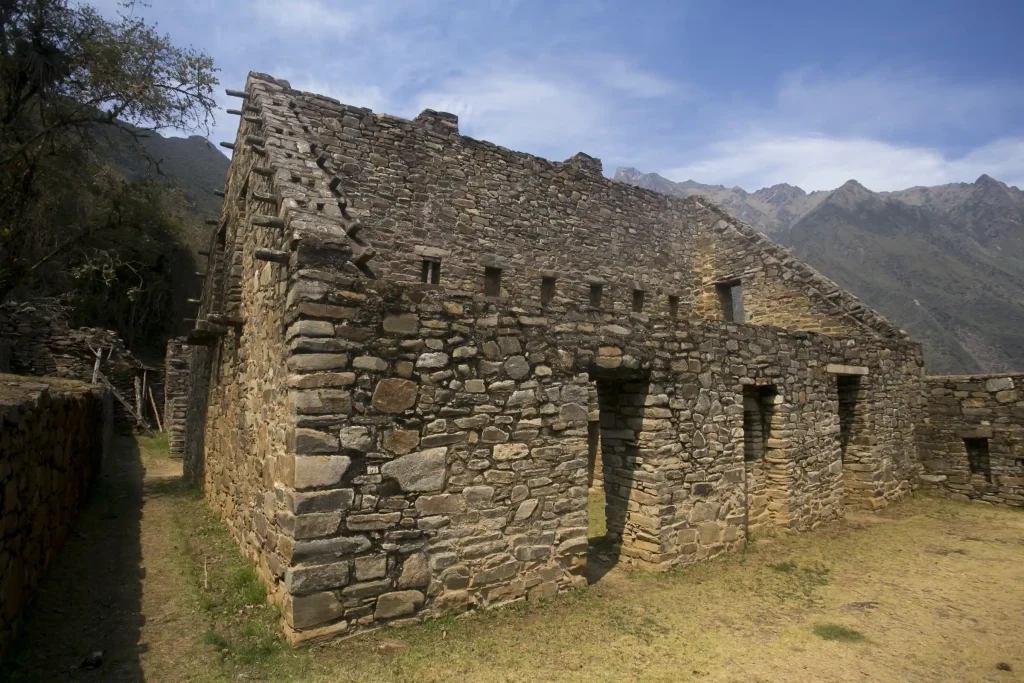
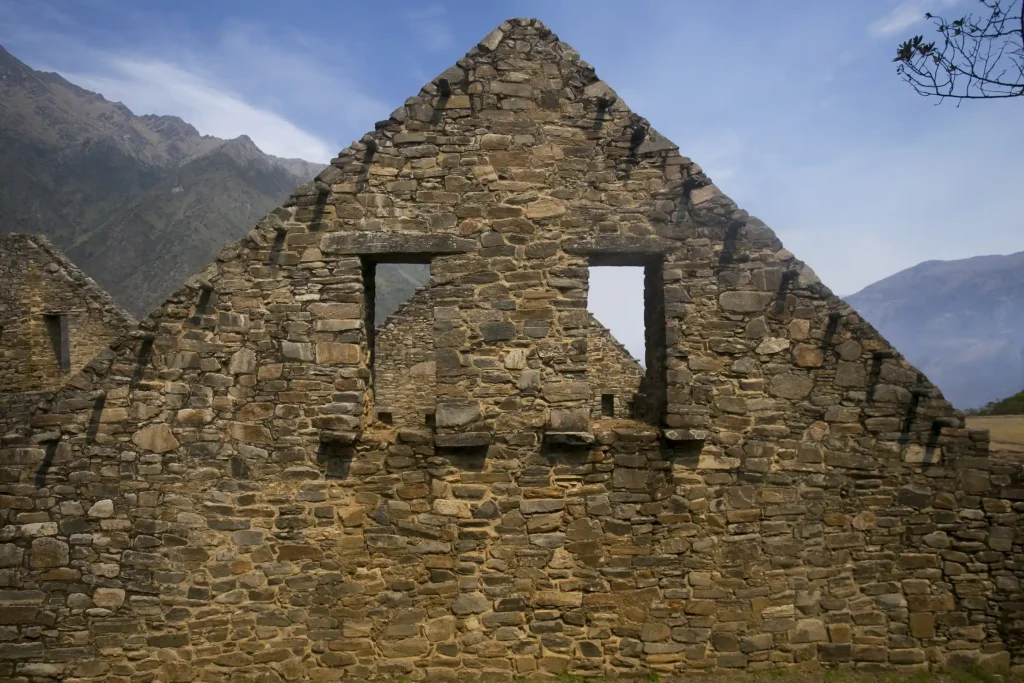
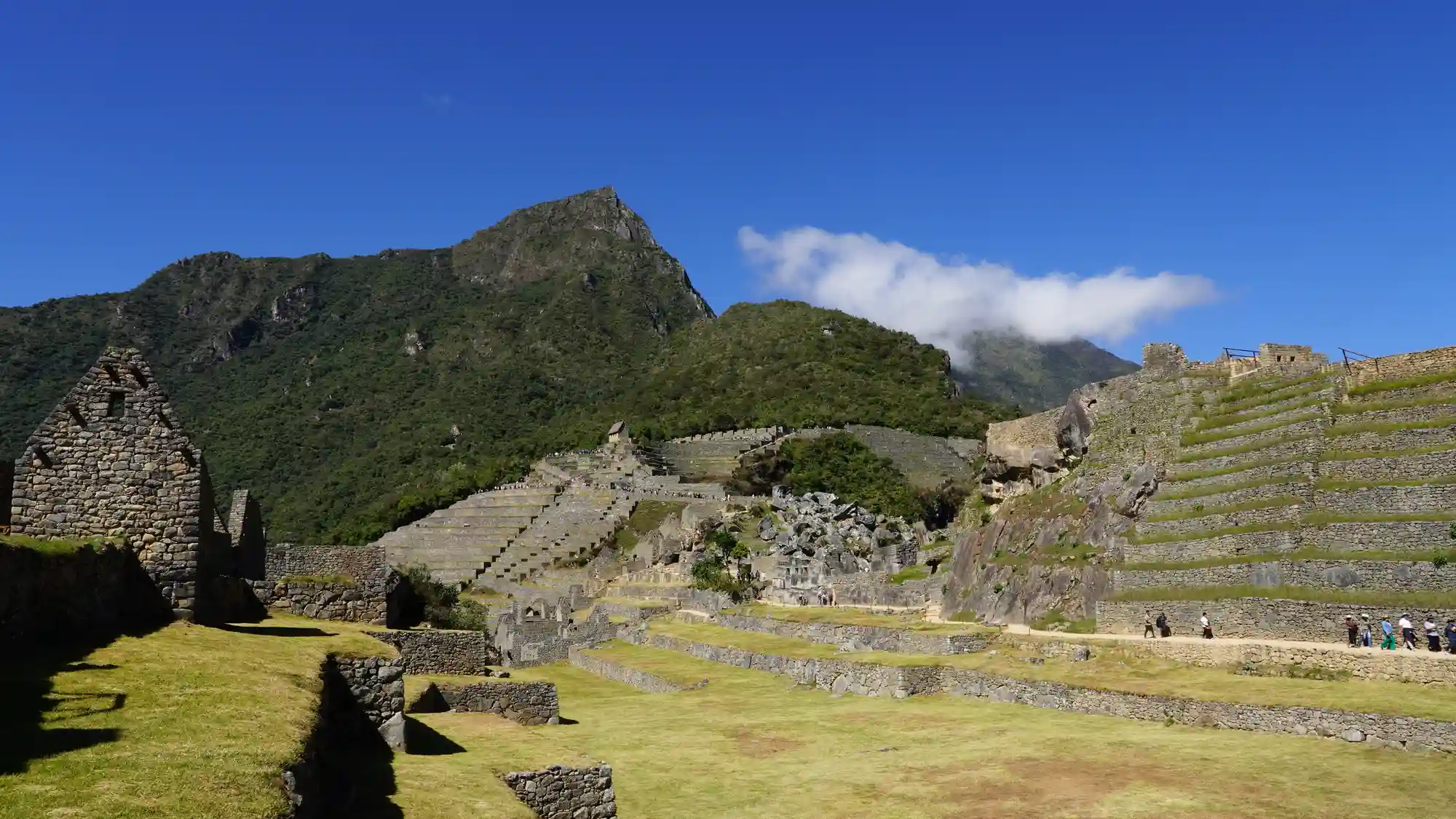
Machu Picchu is full of details: stone joints, stairways, water channels, windows, terraces, orchids, llamas, mountain silhouettes, and textures shaped by rain and time. These images help tell a fuller story than the classic viewpoint alone.
Try mixing wide shots, medium compositions, and close details. A travel gallery feels stronger when it includes both scale and intimacy.
Work with weather
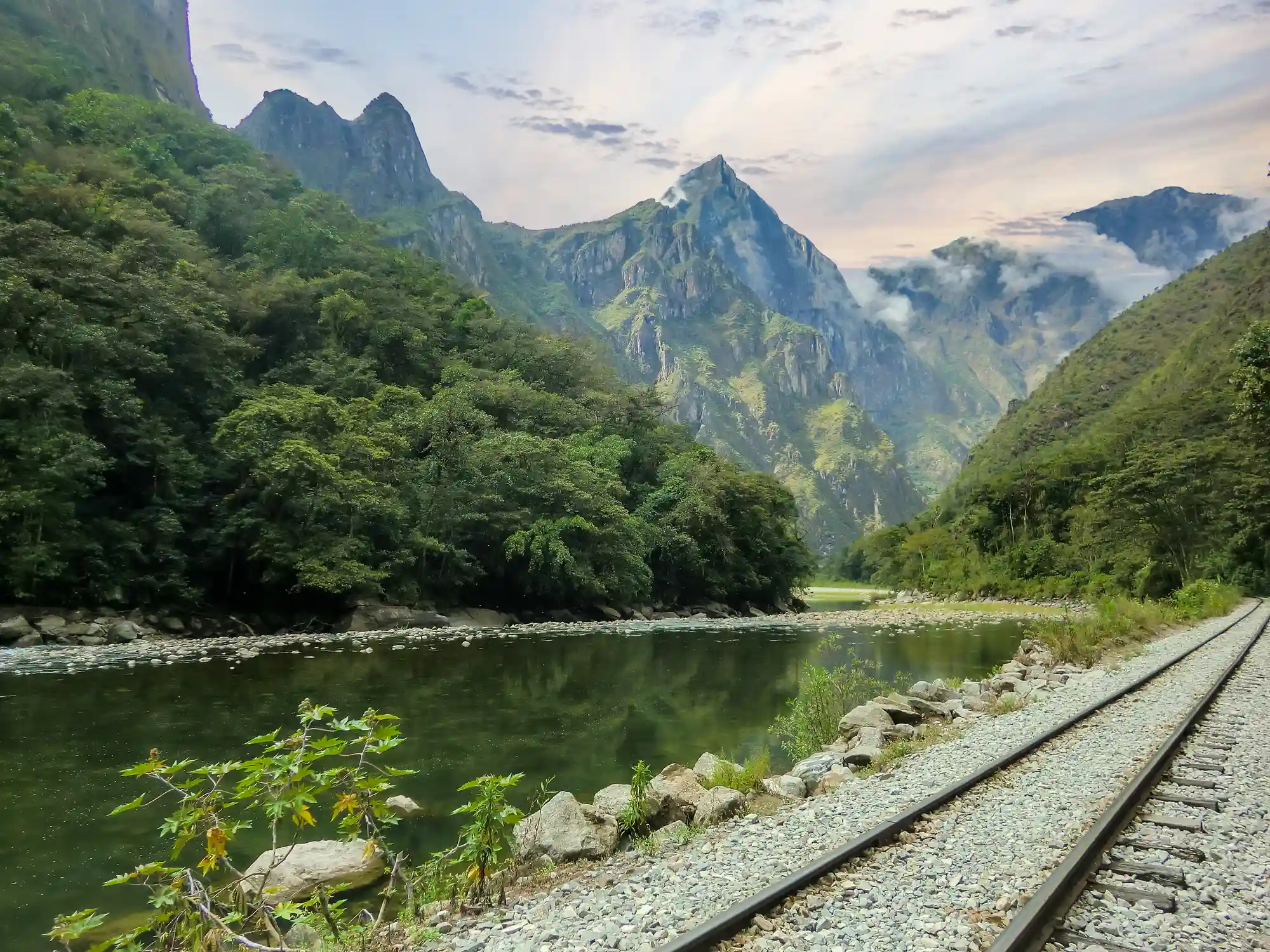
Clouds and mist are not failures. They can create depth, mystery, and movement. If the view is covered, wait calmly when your route and timing allow it. Machu Picchu often changes quickly, and a hidden citadel can become visible in minutes.
Protect your camera or phone with a light rain cover or waterproof pouch. Wipe your lens regularly in humid conditions. Small preparation can save important photos.
Travel light and stay present
Large gear can become tiring on stone paths and stairs. Most travelers do well with a phone or a compact camera. If you bring professional equipment, keep it minimal and manageable.
Take photos, but also put the camera down. The sound of the wind, the geometry of the terraces, and the feeling of standing above the valley are part of the memory. The best Machu Picchu photography supports the experience; it should not replace it.




Leave a Reply